Summary
An unexpected snow day can throw off your entire routine — school cancellations, remote work scrambles, dangerous road conditions, and unprepared households. This article Prepare for an Unexpected Snow Day walks you through 7 actionable, expert-backed strategies to prepare in advance for sudden winter disruptions. Whether you’re a parent, commuter, or homeowner, these tips cover emergency supplies, vehicle safety, weather monitoring tools, family communication plans, and more. You’ll also discover how to use digital forecasting tools to get ahead of the storm before it even arrives.
Table of Contents
- Introduction
- Monitor Weather Forecasts Proactively
- Build a Winter Emergency Supply Kit
- Prepare Your Home for Extreme Cold
- Winterize Your Vehicle
- Create a Family Communication and Action Plan
- Prepare for Remote Work or School Continuity
- Stay Informed About School and Office Closure Policies
- Conclusion
Introduction(Prepare for an Unexpected Snow Day)
Winter storms don’t always announce themselves with enough warning. One evening the forecast shows a light flurry, and by morning, schools are closed, roads are iced over, and your household is completely unprepared. Unexpected snow days are not just an inconvenience — they can be a genuine safety emergency for families, commuters, and homeowners alike.
According to the National Weather Service, winter storms cause an average of over 1,300 deaths per year in the United States, with the majority attributable to vehicle accidents, hypothermia, and carbon monoxide poisoning from improper heating. Preparedness is not optional — it’s essential.
The good news? A snow day doesn’t have to catch you off guard. With the right strategies in place, you can protect your family, maintain productivity, and stay safe no matter what the clouds have planned. Before diving into the preparation tips, consider using a Free Tool for Snow Day estimation to get an early heads-up on potential school and office closures based on your location’s forecast data.
Let’s walk through the 7 most effective ways to prepare for an unexpected snow day.
1. Monitor Weather Forecasts Proactively
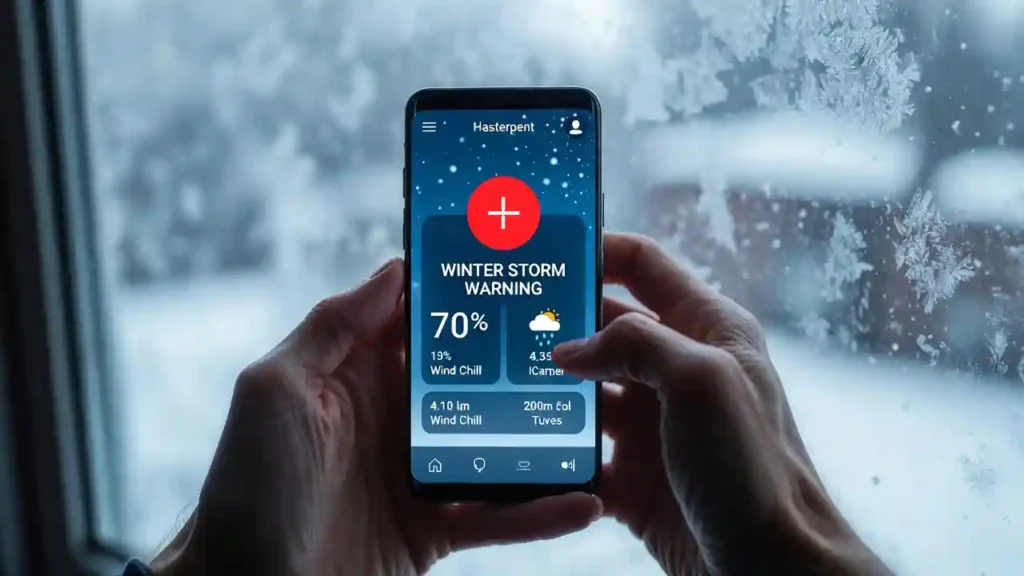
The first line of defense against being caught off guard by a snow day is active weather monitoring. Most people check the weather only in the morning, but winter storm conditions can evolve rapidly in a matter of hours.
Tools and Habits for Better Forecast Awareness
- National Weather Service (weather.gov): The most reliable source for storm warnings, wind chill advisories, and blizzard watches in the U.S.
- Weather apps with push notifications: Apps like Weather Underground, AccuWeather, and The Weather Channel allow you to set precipitation threshold alerts so you’re notified when snowfall is likely to exceed a set amount.
- Local emergency management alerts: Sign up for your county or municipal emergency notification system. Many offer Wireless Emergency Alerts (WEA) directly to your phone.
- Snow day prediction tools: Platforms designed specifically for school closure predictions can analyze local snow totals, wind speed, temperature, and historical closure patterns to generate a probability-based snow day forecast.
Key Metrics to Watch
Don’t just look at snowfall totals. Pay close attention to:
- Wind chill factor — below -20°F can trigger closures even with minimal snowfall
- Freezing rain and ice accumulation — often more dangerous than snow
- Timing of precipitation — overnight snow vs. morning snow dramatically changes road conditions at peak commute times
- Rate of snowfall — 2 inches per hour is significantly more disruptive than 2 inches over 12 hours
Start monitoring 48–72 hours in advance when a winter storm watch is issued in your region. This window gives you enough time to take meaningful action.
2. Build a Winter Emergency Supply Kit
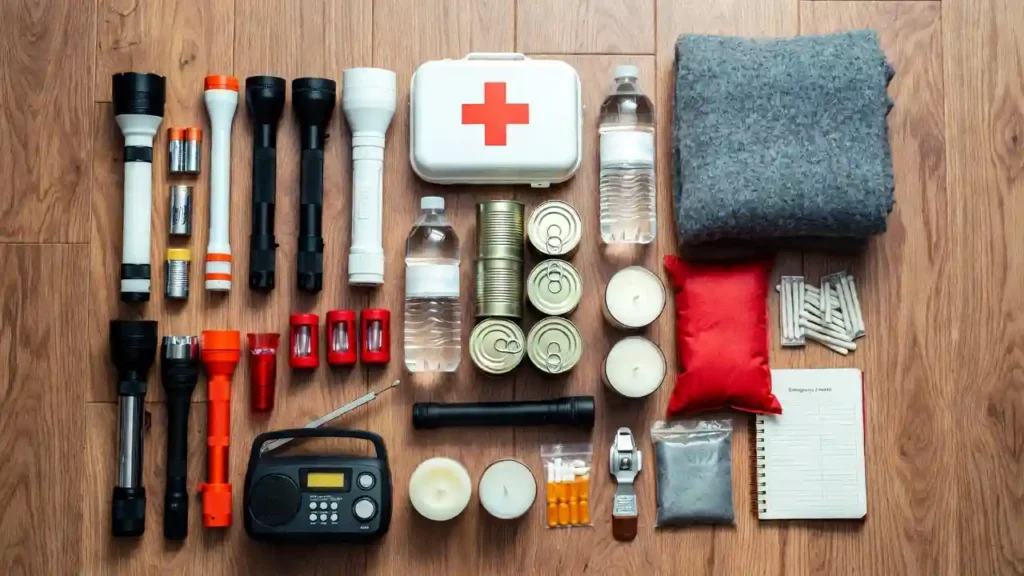
When a snowstorm hits unexpectedly, you may be without power, unable to leave your home, or stranded for 24–72 hours. A dedicated winter emergency kit can make the difference between a manageable inconvenience and a dangerous crisis.
Essential Items for a Home Winter Emergency Kit
Food and Water:
- At least one gallon of water per person per day for a minimum of three days
- Non-perishable food items: canned goods, dried fruit, peanut butter, crackers, energy bars
- Manual can opener
- Infant formula or baby food, if applicable
Power and Light:
- Battery-powered or hand-crank flashlights
- Extra batteries (AA and AAA)
- Battery-powered or hand-crank radio for emergency broadcasts
- Candles and waterproof matches
- Portable phone charger / power bank
Warmth and Safety:
- Emergency Mylar blankets (reflective thermal blankets)
- Wool or fleece blankets
- Hand warmers and foot warmers
- Extra winter clothing: hats, gloves, thermal socks
Medical and Health:
- First aid kit
- 7–10 day supply of prescription medications
- Over-the-counter cold and flu remedies
- Thermometer
Documentation:
- Waterproof bag with copies of important documents (IDs, insurance cards, emergency contacts)
Where to Store Your Kit
Keep your winter emergency kit in an easily accessible location — not buried in a back closet. A hallway closet, garage shelf, or mudroom cabinet near the main entrance is ideal. Check and refresh perishable items annually, ideally before the winter season begins in October or November.
3. Prepare Your Home for Extreme Cold
A snow day often comes with more than just snow. It brings freezing temperatures, potential power outages, and risks of burst pipes and structural damage. Winterizing your home before the season — and doing a quick check when storms are forecast — is critical.
Home Winterization Checklist
Heating System:
- Schedule a professional inspection of your furnace or boiler before the season
- Replace HVAC filters every 90 days during winter
- Know where your emergency shutoff valves are located
- Have backup heating sources: electric space heaters, wood-burning fireplace (ensure chimney is clean), or propane heaters (use only in well-ventilated areas)
Pipes and Plumbing:
- Insulate exposed pipes in basements, crawl spaces, and garages
- Know how to shut off your main water valve in case pipes burst
- Let faucets drip slightly during extreme cold to prevent freezing
Drafts and Insulation:
- Seal gaps around windows and doors with weatherstripping or draft stoppers
- Check attic insulation — inadequate insulation leads to ice dams on the roof
- Ensure garage doors have proper rubber seals at the base
Carbon Monoxide Safety:
- Test smoke and CO detectors monthly; replace batteries before winter
- Never use gas stoves, grills, or generators indoors for heat
- Keep a CO detector in every sleeping area
Don’t Overlook Your Roof
Heavy snow accumulation on roofs can lead to structural collapse. If more than 12 inches of wet snow accumulates, use a roof rake (available at hardware stores) to safely remove excess snow from the ground level.
4. Winterize Your Vehicle
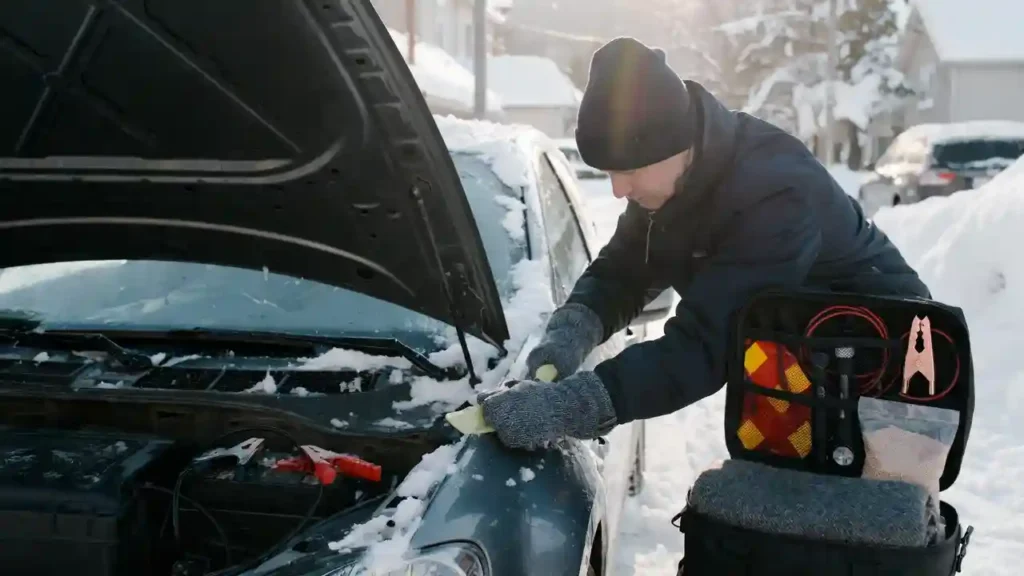
Being stuck on a snow-covered road is one of the most dangerous outcomes of an unexpected storm. Your vehicle needs to be winter-ready well before the first snowfall, not scrambled together the morning of a storm.
Vehicle Winter Preparation Steps
Tires:
- Switch to winter tires if you live in an area with regular snowfall (they perform significantly better than all-season tires below 45°F)
- Check tire pressure weekly — cold air reduces pressure by 1 PSI per 10°F drop in temperature
- Keep a tire inflator/portable air compressor in your trunk
Battery:
- Cold temperatures reduce battery capacity by up to 50%
- Have your battery tested at an auto parts store before winter — free in most cases
- Keep jumper cables or a jump starter pack in your car at all times
Fluids:
- Use winter-grade windshield washer fluid (rated to -20°F or lower)
- Check antifreeze concentration — aim for a 50/50 mix of antifreeze and water
- Keep your gas tank at least half full during winter to prevent fuel line freezing
Visibility and Safety:
- Keep an ice scraper and snow brush in your vehicle — not in the garage
- Replace worn wiper blades with winter-rated blades
- Pack a vehicle emergency kit: blanket, road flares or reflective triangles, sand or kitty litter (for traction), energy bars, first aid kit, flashlight
Driving Knowledge:
Knowing how to handle a skid, how to brake on ice (threshold braking vs. ABS), and how to signal for help if you’re stranded are skills every winter driver should have. Consider a winter driving safety course if you live in a high-snowfall region.
5. Create a Family Communication and Action Plan
An unexpected snow day can scatter family members — kids at school, parents at work, elderly relatives alone at home. A pre-established family emergency communication plan ensures everyone knows what to do without panic.
Elements of a Strong Family Snow Day Plan
Designated Contact Person:
Choose one out-of-area contact (a relative in another city, for example) as the family’s central check-in point. Local phone lines can become congested during storms, but calls to another area code often connect more reliably.
Pre-Defined Meeting Locations:
- Primary: Your home
- Secondary: A nearby family member or trusted neighbor
- Tertiary: A local emergency shelter or community center
School and Childcare Protocols:
Know your children’s school district’s snow day notification system — most use automated text/email alerts, social media, and local TV broadcasts. Understand the school’s late pickup policies and designate emergency authorized pickups in advance.
Communication for Seniors or Vulnerable Family Members:
Check on elderly relatives or neighbors before the storm hits. Establish a daily check-in routine during winter weather events. If they live alone, consider connecting them with a community emergency preparedness program.
6. Prepare for Remote Work or School Continuity
For many households, a snow day no longer means a day off — it means transitioning seamlessly to remote work or virtual school. The pandemic years normalized this shift, but an unexpected storm can still expose gaps in your digital preparedness.
Tech and Connectivity Readiness
- Ensure your home Wi-Fi router is on a surge protector
- Keep laptops and tablets fully charged the evening before an anticipated storm
- Store important work files on cloud platforms (Google Drive, OneDrive, Dropbox) so they’re accessible even if your main device fails
- Have a mobile hotspot or know how to tether from your smartphone in case your internet goes down
For Parents with Children at Home
- Pre-load educational apps and offline content on kids’ devices
- Designate a quiet workspace for children’s virtual classes
- Have a snow day activity binder ready — offline activities like board games, art supplies, and puzzles prevent screen overload and keep kids engaged
7. Stay Informed About School and Office Closure Policies
Understanding how closures are actually decided helps you anticipate them more accurately and plan your response. School boards and employers don’t make these calls arbitrarily — there’s a structured process involving weather data, road conditions, busing logistics, and safety thresholds.
For a deeper dive into regional differences, read our guide on How Snow Day Decisions Are Made — covering the key contrasts between U.S. and Canadian school district policies.
What to Know About Closure Decision Timelines
- Most school districts make closure decisions between 4:30 AM and 6:00 AM on the day of the event
- Many businesses follow school closures as a guideline for remote-work declarations
- Some districts use a tiered delay system (1-hour delay, 2-hour delay, full closure) based on projected road clearing times
Where to Monitor Closures
- Local TV stations (primary source for most school districts)
- School district websites and social media accounts
- Text/email alert systems — sign up in advance
- Third-party snow day calculators that factor in local snowfall data and historical closure patterns
For a smarter, data-driven way to anticipate school closures before official announcements are made, try the Free Tool for Snow Day estimation — it aggregates real-time weather inputs to calculate your local snow day probability.
For further reading on official winter storm preparedness guidelines, the Federal Emergency Management Agency (FEMA) offers a comprehensive Winter Storm Preparedness Guide that covers household, vehicle, and community safety protocols in depth.
Conclusion
An unexpected snow day doesn’t have to mean chaos. By monitoring forecasts proactively, stocking an emergency supply kit, winterizing your home and vehicle, establishing a family action plan, and staying informed about closure protocols, you give yourself and your family the best possible chance of staying safe, warm, and functional — no matter how many inches fall overnight.
Preparation isn’t about expecting the worst. It’s about giving yourself options when conditions change fast.
Start with one step today: sign up for local weather alerts, check your emergency kit, or test your car battery. Small actions taken before a storm arrives are worth far more than scrambled responses the morning after.
And remember — the next time snow clouds gather on the horizon, let data work for you. Use the Free Tool for Snow Day estimation to get a probability-based read on whether tomorrow’s weather might mean a day at home, so you can plan ahead with confidence.
Stay warm. Stay ready.