Summary
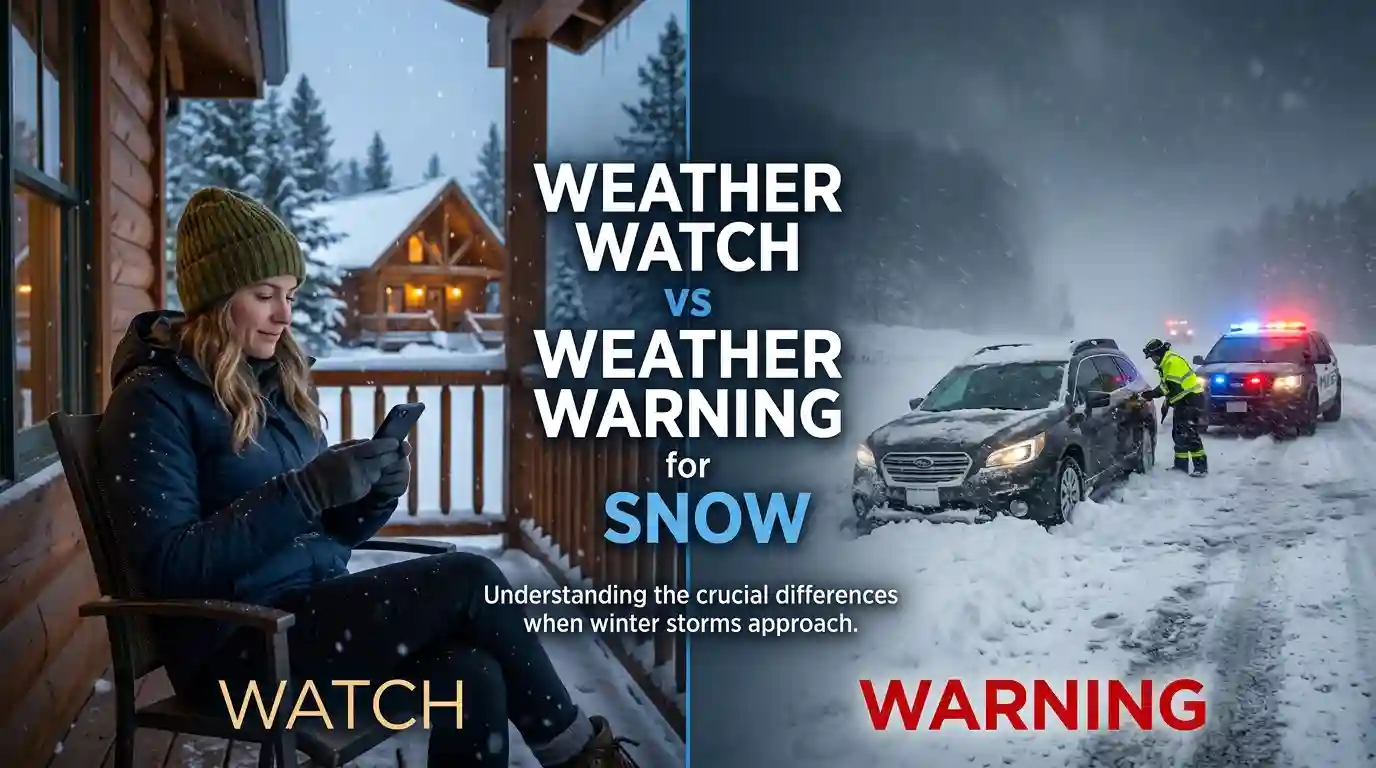
When meteorologists issue alerts ahead of a storm, the language they use matters. A Weather Watch vs Weather Warning for Snow isn’t just a technicality—it’s the difference between “stay alert and plan ahead” and “take action now.” A watch means conditions are favorable for hazardous winter weather to develop, while a warning means that hazardous weather is imminent or already occurring. Understanding this distinction can help you make smarter decisions about travel, school closures, work commitments, and emergency preparedness. In this guide, we’ll break down exactly what these terms mean, how the National Weather Service (NWS) defines them, what other related alerts you might encounter, and how to respond appropriately to each one.
Table of Contents
- Introduction: Why Winter Weather Alerts Matter
- Weather Watch vs a Weather Warning for Snow: The Core Difference
- What Is a Winter Storm Watch?
- What Is a Winter Storm Warning?
- Other Related Winter Weather Alerts
- How These Alerts Are Issued and Communicated
- Weather Watch vs a Weather Warning for Snow: How to Respond to Each
- Real-World Examples of Watches and Warnings
- How Schools, Workplaces, and Businesses Use These Alerts
- Tools to Help You Stay Prepared
- Conclusion
- FAQs
Introduction: Why Winter Weather Alerts Matter
Every winter, millions of people across the United States and other snow-prone regions wake up to headlines about incoming storms. But not every alert carries the same weight. Some warn of a possibility, while others confirm a near-certainty. Misreading these alerts—or ignoring them altogether—can lead to dangerous driving conditions, missed work, school disruptions, and even life-threatening situations like hypothermia or accidents on icy roads.
The terms “watch” and “warning” are part of a standardized system used by the National Weather Service (NWS) and similar meteorological agencies worldwide. These terms apply not just to snow but to a wide range of weather phenomena, including tornadoes, hurricanes, floods, and severe thunderstorms. However, when it comes to winter weather, understanding the nuance between a Weather Watch vs a Weather Warning for Snow can directly impact your safety and daily planning.
Weather Watch vs a Weather Warning for Snow: The Core Difference
At its simplest, the difference boils down to certainty and timing.
- A Watch means: “The ingredients are coming together for hazardous winter weather. It may happen, so be prepared.”
- A Warning means: “Hazardous winter weather is happening or is about to happen. Take action now.”
Think of it like a fire alarm system. A watch is the smoke detector beeping intermittently, signaling something could be wrong. A warning is the fire alarm blaring because there’s an active fire. Both require attention, but the warning demands immediate response.
This distinction is rooted in meteorological confidence levels. Forecasters rely on computer models, radar data, satellite imagery, and atmospheric pressure readings to determine the likelihood and severity of a storm. When confidence is moderate to high that a storm will produce significant snowfall, ice, or wind chill within 12 to 48 hours, a watch is issued. As confidence increases and the event becomes imminent—usually within 12 to 24 hours or less—the watch is often upgraded to a warning.
What Is a Winter Storm Watch?
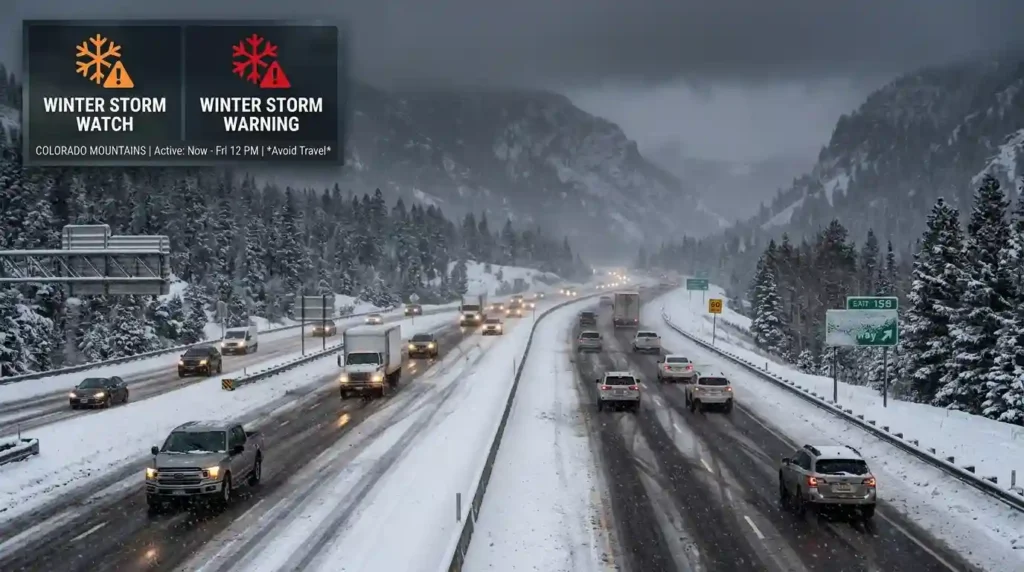
A Winter Storm Watch is issued when there is a potential for significant winter weather, including heavy snow, ice, sleet, or a combination of these, within the next 12 to 48 hours. The key word here is “potential.” Forecasters aren’t 100% certain the storm will hit with full force, but the conditions are aligning in a way that warrants caution.
According to the National Weather Service, a Winter Storm Watch is typically issued when there’s at least a 50% chance that warning-level criteria will be met. This means the storm could bring six inches of snow or more (depending on regional thresholds), significant ice accumulation, or dangerously low wind chills.
Why Watches Matter
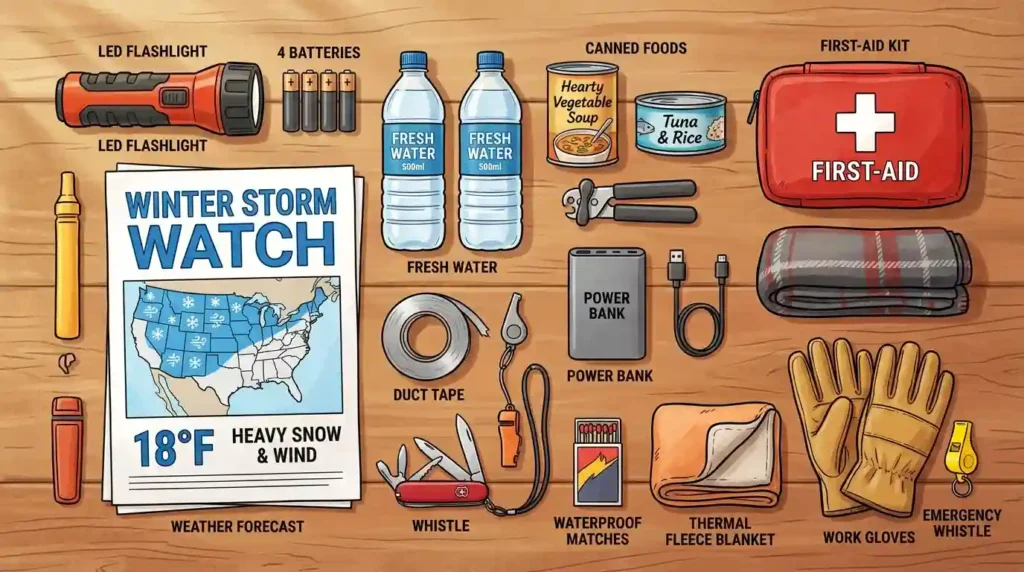
Watches give people time to prepare. This includes:
- Stocking up on groceries, water, and medications
- Checking that vehicles have proper tires, fluids, and emergency kits
- Reviewing travel plans and considering rescheduling
- Charging electronic devices in case of power outages
- Bringing pets and outdoor plants indoors
What Is a Winter Storm Warning?
A Winter Storm Warning is issued when severe winter weather conditions are either occurring, imminent, or highly likely. This is a much more urgent alert than a watch. The criteria for a warning vary by region but generally include heavy snowfall (often six inches or more within 12 hours, or eight inches within 24 hours), significant ice accumulation, or a combination of snow, sleet, and freezing rain that creates dangerous travel conditions.
When a Winter Storm Warning is issued, the message is clear: conditions are dangerous, and people should avoid unnecessary travel. Roads may become impassable, visibility can drop to near zero during heavy snow squalls, and power outages become more likely due to ice accumulation on power lines and tree branches.
Key Differences in Action Items
| Aspect | Winter Storm Watch | Winter Storm Warning |
| Certainty Level | Moderate (50%+ chance) | High (imminent or occurring) |
| Timeframe | 12–48 hours out | 0–24 hours, often immediate |
| Recommended Action | Prepare and monitor | Avoid travel, take shelter |
| Typical Duration | Issued well in advance | Issued closer to event onset |
Other Related Winter Weather Alerts
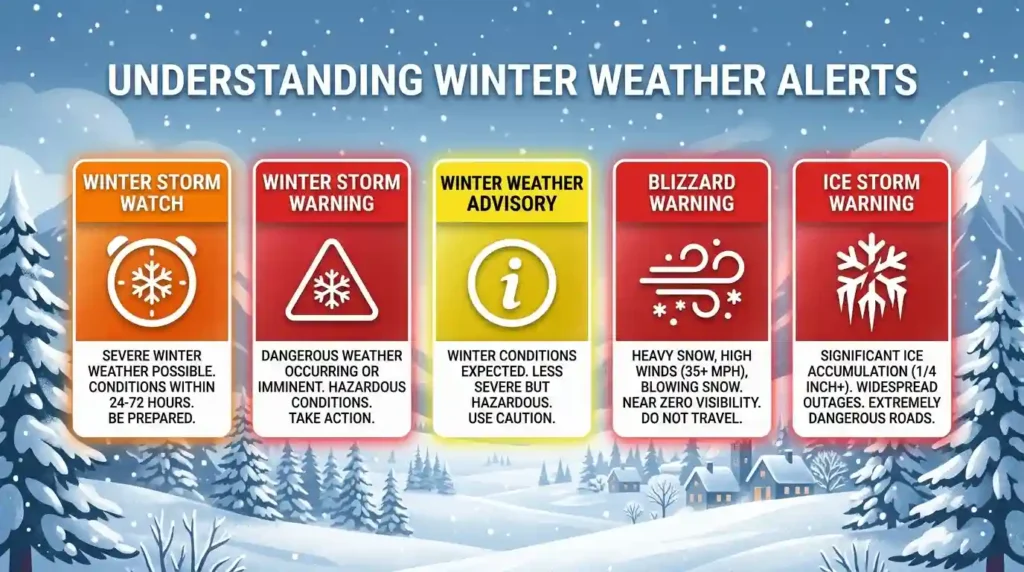
While the Weather Watch vs a Weather Warning for Snow comparison is the most commonly searched, there are other alerts you should be familiar with:
Winter Weather Advisory
This is issued for less severe conditions than a warning—typically light to moderate snow, ice, or a mix that could still make travel difficult but isn’t expected to be life-threatening. Advisories are common during routine winter storms.
Blizzard Warning
A Blizzard Warning is one of the most severe winter alerts. It’s issued when sustained winds or frequent gusts of 35 mph or more combine with falling or blowing snow, reducing visibility to less than a quarter mile for at least three hours. This combination of wind and snow creates whiteout conditions that can be extremely dangerous.
Ice Storm Warning
Issued when significant ice accumulation (typically a quarter inch or more) is expected, which can bring down power lines, damage trees, and make roads and sidewalks treacherous.
Wind Chill Watch/Warning
These alerts focus on dangerously low “feels like” temperatures caused by wind combined with cold air, which can lead to frostbite and hypothermia even without active snowfall.
How These Alerts Are Issued and Communicated
In the United States, the National Weather Service is the primary authority responsible for issuing these alerts. Local NWS forecast offices monitor real-time data and issue alerts specific to their coverage areas, often county by county. These alerts are then disseminated through multiple channels:
- NOAA Weather Radio
- Television and radio broadcasts
- Smartphone weather apps and push notifications
- Wireless Emergency Alerts (WEA) sent directly to mobile devices
- Social media accounts of local weather offices and emergency management agencies
For the most accurate and up-to-date information, it’s always best to rely on official sources. The National Oceanic and Atmospheric Administration’s National Weather Service is the authoritative source for U.S. weather forecasts and warnings, making weather.gov an essential bookmark for anyone living in regions prone to winter storms.
Weather Watch vs a Weather Warning for Snow: How to Respond to Each
Knowing the definitions is only half the battle—knowing how to act is what keeps you safe.
When You Hear “Winter Storm Watch”
- Monitor forecasts closely. Conditions can change quickly, so check updates every few hours.
- Prepare your home. Insulate pipes, check heating systems, and ensure you have backup lighting.
- Plan your schedule. If you have travel plans, consider flexible alternatives.
- Fuel up your vehicle. Gas stations can get crowded once a warning is issued.
- Communicate with family. Make sure everyone knows the plan if the watch becomes a warning.
When You Hear “Winter Storm Warning”
- Avoid travel unless absolutely necessary. Most accidents during winter storms happen because people underestimate how quickly conditions deteriorate.
- Stay indoors and conserve heat. If you lose power, close off unused rooms to retain warmth.
- Check on neighbors, especially elderly individuals. They may need help with snow removal or medical needs.
- Keep emergency contacts handy. Know the number for local utility companies and emergency services.
- Bring pets inside. Cold exposure can be fatal for animals left outdoors during a warning.
Real-World Examples of Watches and Warnings
To put this into perspective, imagine a scenario in the Midwest during late January. On a Monday, the local NWS office issues a Winter Storm Watch for Wednesday through Thursday, citing a developing low-pressure system that could bring 6–10 inches of snow. Residents use this time to prepare—buying groceries, charging devices, and adjusting work schedules.
By Tuesday evening, as the storm’s track becomes clearer and confidence increases, the watch is upgraded to a Winter Storm Warning, now in effect from Wednesday morning through Thursday afternoon. Schools begin announcing closures, and many districts use predictive tools to estimate the likelihood of a snow day.
This is where resources like a Snow Day Calculator become incredibly useful—not just for students hoping for a day off, but for parents trying to plan childcare and work logistics in advance.
How Schools, Workplaces, and Businesses Use These Alerts
Educational institutions and businesses often rely heavily on these official alerts to make closure decisions. A Winter Storm Watch might prompt a school district to put staff on alert and prepare communication templates, but it rarely results in an immediate closure decision. A Winter Storm Warning, however, often triggers earlier decision-making, especially if the warning is issued the night before.
Many districts have learned that waiting until the morning of a storm to make a decision can leave parents scrambling. That’s why more and more schools are choosing to announce closures in advance. If you’re curious about how this process works and why it’s becoming more common, check out this detailed breakdown on how Schools Announce Snow Days the Night Before.

Tools to Help You Stay Prepared
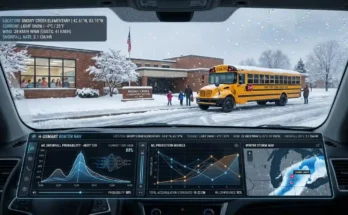
Beyond official government alerts, there are tools designed to help individuals and families plan around winter weather more effectively. Predictive calculators that analyze historical snowfall data, current forecasts, and school district closure patterns can give families a head start on planning. These tools don’t replace official NWS alerts but complement them by offering localized, easy-to-understand probability estimates.
Conclusion
Understanding the difference in a Weather Watch vs a Weather Warning for Snow can make a meaningful difference in how prepared you are for winter weather. A watch is your early warning system—a chance to gather supplies, make plans, and stay alert. A warning is your call to action—a signal that dangerous conditions are here or nearly here, and that caution should be your top priority.
By staying informed through official sources like the National Weather Service, and supplementing that information with helpful tools and local resources, you can navigate winter storms with confidence rather than confusion. Whether you’re a parent trying to plan around potential school closures, a commuter deciding whether to brave the roads, or simply someone who wants to stay safe during the colder months, knowing how to interpret these alerts is an essential life skill.
FAQs
1. What is the main difference between a Weather Watch vs a Weather Warning for Snow?
A watch means hazardous winter weather is possible and conditions are favorable for it to develop, while a warning means hazardous winter weather is occurring or imminent and requires immediate action.
2. How far in advance is a Winter Storm Watch typically issued?
Winter Storm Watches are usually issued 12 to 48 hours before the expected onset of hazardous weather, giving people time to prepare.
3. Should I cancel travel plans during a Winter Storm Watch?
It depends on the severity and your destination, but it’s wise to monitor updates closely and have a backup plan ready, since a watch can be upgraded to a warning quickly.
4. Is a Winter Weather Advisory more or less severe than a watch?
A Winter Weather Advisory generally indicates less severe conditions than a watch or warning, but it can still create hazardous travel conditions and should not be ignored.
5. Can a Winter Storm Watch be canceled without becoming a warning?
Yes. If forecast conditions change and the storm weakens or shifts track, a watch can be downgraded or canceled entirely without escalating to a warning.
6. Where can I find official winter weather alerts for my area?
The National Weather Service website (weather.gov) provides real-time, location-specific alerts, and most smartphone weather apps also push official notifications.