Summary
What Do Students Do on Snow Days Around the World is more than a fun winter question. It reveals how students, families, teachers, and school systems respond differently to heavy snow, icy roads, freezing temperatures, blizzards, and unexpected school closures. In some countries, a snow day means sledding, snowball fights, hot chocolate, and relaxed family time. In others, students continue learning online, help with chores, practice winter sports, or attend school as usual because snow is part of everyday life.
Table of Content
- What Makes a Snow Day Special for Students?
- What Do Students Do on Snow Days Around the World? A Cultural Look
- Snow Days in the United States and Canada
- Snow Days in Europe: From the UK to Scandinavia
- Snow Days in Asia: Japan, South Korea, and Mountain Regions
- What Do Students Do on Snow Days Around the World When Schools Go Remote?
- Indoor Activities Students Enjoy on Snow Days
- Outdoor Snow Day Traditions and Winter Fun
- How Parents and Schools Prepare for Snow Days
- Conclusion
- FAQs
What Do Students Do on Snow Days Around the World?
Snow days are magical for students. The moment a child wakes up, looks outside, and sees a thick white blanket covering the streets, trees, rooftops, and school buses, the day suddenly feels different. A regular school morning becomes a winter adventure. Backpacks stay by the door, alarms are ignored, and students begin checking school closure alerts, weather apps, local news, or messages from their district.
But snow days are not the same everywhere. Around the world, students experience winter weather in very different ways. In some places, snow days are rare and exciting. In others, snow is normal, and schools stay open even during freezing weather. Some students spend the day building snowmen, sledding, skating, and playing outdoors. Others stay inside, complete online assignments, read books, play games, or help their families.
The way students spend snow days depends on climate, culture, school policies, transportation systems, safety concerns, and family routines. A snow day in New York may look different from one in Toronto, Oslo, Tokyo, London, Helsinki, Seoul, or the Swiss Alps. Still, across continents, one thing remains common: snow days create memories.
What Makes a Snow Day Special for Students?
A snow day feels special because it interrupts routine. Students are used to school schedules, homework deadlines, morning buses, uniforms, packed lunches, classroom bells, and after-school activities. When snow closes school, the normal rhythm of the day changes instantly.
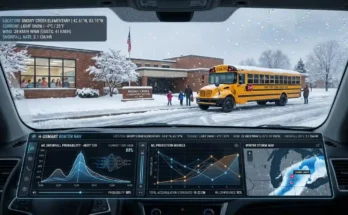
For many students, the biggest excitement comes from uncertainty. They watch weather forecasts the night before. They hope for enough snowfall to close roads, delay buses, or cancel classes. Some students follow local meteorologists, refresh school district websites, or use a cold day prediction tool to guess whether school might be canceled.
Snow days also feel personal. A student may remember the smell of hot chocolate, the sound of boots crunching in fresh snow, or the thrill of racing down a hill on a sled. These small experiences make snow days emotional, nostalgic, and meaningful.
The Role of Weather and Safety
Schools usually cancel classes because of safety concerns. Heavy snowfall, freezing rain, black ice, dangerous wind chills, poor visibility, and blocked roads can make travel risky. School buses may struggle on icy routes, sidewalks may be unsafe, and students walking to school may face frostbite or hypothermia risks.
Health and safety organizations recommend preparing for winter storms, limiting outdoor time in extreme cold, and staying alert to hazards such as icy roads, power outages, and freezing temperatures. The CDC provides useful winter storm safety guidance for families preparing for severe weather.
Why Snow Days Differ by Country
A place that receives snow every winter often has better snowplows, winter tires, heated buildings, trained drivers, and prepared communities. In contrast, areas that rarely receive snow may close schools after only a few inches because roads, buses, and buildings are not designed for severe winter weather.
That is why students in Norway or Finland may go to school during weather that would close schools in parts of the United Kingdom or southern United States. Snow day culture depends on preparedness as much as snowfall.
What Do Students Do on Snow Days Around the World? A Cultural Look
Students around the world use snow days in ways shaped by local traditions, climate, education systems, and family expectations. For some, a snow day is a break from learning. For others, it is simply a learning-from-home day. In colder countries, students may not even call it a “snow day” because winter conditions are expected.
Snow days can include outdoor play, remote learning, household chores, cultural winter activities, sports practice, creative projects, family bonding, and rest. The experience changes from country to country, but the emotions are often similar: excitement, relief, curiosity, and joy.
Snow Days as a Childhood Tradition
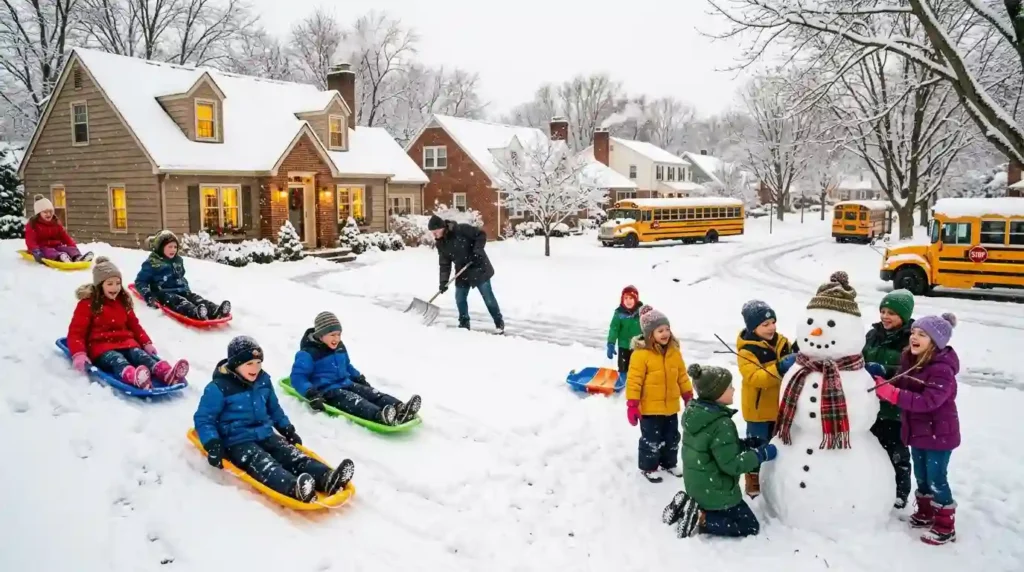
In countries where snow days are common, children often grow up with winter rituals. They may wear snow pants, boots, mittens, scarves, thermal layers, and thick jackets before heading outside. They build forts, make snow angels, create snow sculptures, go sledding, or join neighborhood snowball fights.
Snow days also encourage community interaction. Children play with siblings and neighbors. Parents shovel driveways. Families help clear sidewalks. In some communities, neighbors check on elderly residents or share supplies during storms.
Snow Days as Learning Days
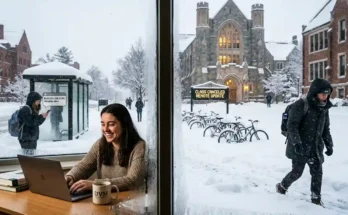
Modern snow days are changing. Since remote learning became more common, many schools now replace traditional snow days with virtual classes. Students may attend video lessons, complete digital worksheets, submit assignments online, or join class discussions through learning platforms.
This shift has created debate. Some families appreciate academic continuity, while many students miss the old-fashioned snow day experience. A day once known for sledding and cartoons may now include laptops, online quizzes, and digital attendance.
Snow Days in the United States and Canada
In the United States and Canada, snow days are a familiar part of winter in many regions. However, the experience varies widely depending on location.
In northern U.S. states such as Minnesota, Michigan, Wisconsin, Vermont, Maine, and New York, snow days are often connected to lake-effect snow, blizzards, extreme cold, and rural transportation challenges. Some districts build snow days into the school calendar. Others require makeup days later in the year.
For more regional context, readers can explore 6 States With the Most School Snow Days Per Year to understand where school closures are more common.
What American Students Usually Do
American students often celebrate snow days with classic winter activities. Many sleep in, watch movies, play video games, bake cookies, drink hot cocoa, or go outside with friends. In suburban and rural areas, sledding hills become crowded quickly. Children build snowmen in front yards, create snow forts, or shovel driveways for extra money.
High school students may use the day differently. Some catch up on homework, study for exams, work part-time jobs if roads are safe, practice sports, or help younger siblings. Others treat the snow day as a mental health break from busy academic schedules.
Canadian Snow Day Culture
In Canada, snow is part of national identity in many provinces. Students in Ontario, Quebec, Alberta, Manitoba, Saskatchewan, and the Atlantic provinces may experience heavy snowfall, icy roads, and freezing temperatures. However, because many Canadian communities are well-prepared for winter, schools may remain open unless conditions are especially dangerous.
Canadian students often enjoy skating, hockey, tobogganing, snowshoeing, skiing, and building snow forts. Some rural students experience bus cancellations even when schools stay open. In these cases, students may remain home while teachers still report to school.
Snow Days in Europe: From the UK to Scandinavia
Europe has many different snow day experiences. A snow day in Scotland is different from one in Norway, Switzerland, Germany, or Finland.
In the United Kingdom, snow days are often exciting because heavy snowfall is less predictable in many areas. When snow disrupts roads, trains, and buses, schools may close quickly. Students may spend the day outdoors making snowballs, sliding on icy paths, or enjoying rare snowfall in parks and gardens.
Snow Days in the UK
British students often see snow days as a special treat. In areas where snow is unusual, even a moderate snowfall can create excitement. Children may rush outside before the snow melts. Families take photos, build small snowmen, and walk through local parks.
Because the UK has many regions that do not experience long, severe winters every year, transportation disruption is a major factor. Roads may become slippery, public transport may slow down, and school staff may have trouble reaching campuses.
Snow Days in Scandinavia
In countries such as Norway, Sweden, Finland, Denmark, and Iceland, snow is a normal part of winter life. Students are often expected to attend school unless conditions become extreme. Winter clothing, heated schools, reliable snow removal, and strong public services make it easier to continue daily routines.
Scandinavian students may still enjoy snow-based activities, but these are often part of regular school life. Outdoor play, cross-country skiing, ice skating, winter hiking, and nature education may be built into the school culture.
Switzerland, Austria, and Alpine Regions
In Alpine regions, snow days can be closely connected to mountain weather. Students living in Switzerland, Austria, northern Italy, and parts of France may experience heavy snowfall, avalanches, blocked mountain roads, and ski-season routines.
Some students grow up skiing or snowboarding regularly. A snow day may become an opportunity for family winter sports, especially in towns near ski resorts. However, in mountain regions, safety is taken seriously. Avalanche warnings, road closures, and public transport updates can determine whether students stay home.
Snow Days in Asia: Japan, South Korea, and Mountain Regions
Asia has diverse winter climates. Some regions rarely see snow, while others experience intense winter weather. Students in Japan, South Korea, China, Nepal, northern India, and mountain areas may all experience snow days differently.
Japan: Snow, Discipline, and Community
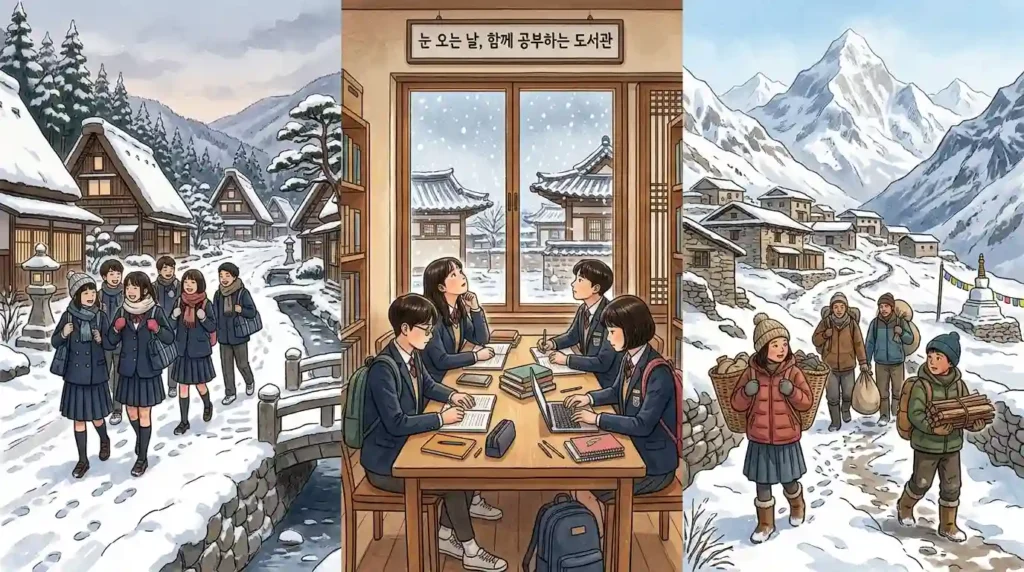
Japan has famous snowy regions, especially Hokkaido and parts of northern Honshu. Students in heavy snow areas are often used to winter conditions. Schools may stay open unless transportation becomes unsafe. Students may walk carefully through cleared paths, wear warm uniforms, and continue their regular schedules.
Japanese snow culture is also beautiful and artistic. Children may enjoy snow festivals, snow sculptures, winter sports, and seasonal foods. In some communities, students help shovel snow or participate in organized winter events.
South Korea: Study Routines Continue
In South Korea, students are known for strong academic routines. A snow day may still include studying, online lessons, tutoring, or exam preparation. Younger children may enjoy snowball fights and playground fun, while older students may use the time for homework or private academy work.
Urban areas such as Seoul may experience snow-related traffic issues, but public transportation and school decisions depend on severity. Snow days may be less frequent than in colder northern countries, making them exciting when they happen.
Himalayan and Mountain Communities
In mountain regions of Nepal, northern India, Pakistan, and Bhutan, snow can affect access to schools, roads, and villages. Students may stay home because travel is difficult or unsafe. In some areas, snow days are not just playful breaks; they reflect serious winter challenges such as blocked routes, limited heating, and power interruptions.
Students in these regions may help families with household tasks, collect supplies, care for animals, or assist younger siblings. Their snow day experience may be more practical and survival-focused than recreational.
What Do Students Do on Snow Days Around the World When Schools Go Remote?
Remote learning has changed the meaning of snow days. In many places, students no longer get a complete day off when school buildings close. Instead, they log in from home.
A modern snow day may begin with a school email or app notification saying that buses are canceled but online classes will continue. Students may join video calls, complete assignments through learning platforms, watch recorded lessons, or submit homework before the end of the day.
Benefits of Remote Snow Days
Remote snow days help schools avoid falling behind. They reduce the need for makeup days at the end of the year and keep students connected to lessons. Teachers can continue planned instruction, especially before exams or major projects.
For older students, online learning may be useful. High school and college students can attend lectures, study independently, and manage digital assignments.
Why Students Still Love Traditional Snow Days
Despite the benefits of remote learning, many students prefer traditional snow days. A true snow day gives children unstructured time. It encourages outdoor play, creativity, rest, and family connection. It also gives students a mental break from screens and academic pressure.
Snow days can support emotional well-being because they create space for joy. A surprise day off can feel refreshing, especially during long winter months.
The Digital Divide Problem
Not every student has equal access to remote learning. Some families may lack reliable internet, laptops, quiet study spaces, or electricity during storms. Rural areas may face power outages and weak connections. For these students, virtual snow days can create stress instead of convenience.
This is one reason many schools still consider snow days carefully. Education leaders must balance safety, learning continuity, equity, and family needs.
Indoor Activities Students Enjoy on Snow Days
Not every student spends a snow day outside. In extremely cold weather, indoor activities may be safer and more comfortable. Many students enjoy quiet, cozy, and creative routines at home.
Reading, Movies, and Games
A snow day is perfect for books, movies, board games, puzzles, and video games. Younger children may watch cartoons or winter-themed films. Older students may stream shows, read novels, or play online games with friends.
Board games and puzzles are especially popular when families want screen-free activities. They bring siblings and parents together and create a calm winter atmosphere.
Baking and Hot Drinks
Food is a big part of snow day culture. Students may bake cookies, brownies, muffins, pancakes, or bread. Hot chocolate, tea, soup, and warm milk are common comfort drinks. These small rituals make snow days feel cozy and memorable.
In some cultures, families prepare traditional winter foods. Students may help cook, set the table, or learn family recipes.
Creative Projects and Hobbies
Snow days give students time for drawing, painting, journaling, crafting, music, photography, and creative writing. Some children make paper snowflakes or winter decorations. Others build Lego sets, practice instruments, or create short videos.
For students who are usually busy with school and activities, snow days provide rare free time to explore hobbies.

Outdoor Snow Day Traditions and Winter Fun
Outdoor play is one of the most memorable parts of a snow day. Students enjoy the chance to turn their neighborhood, backyard, or local park into a winter playground.
Sledding and Tobogganing
Sledding is one of the most popular snow day activities in North America and Europe. Students use sleds, tubes, trays, or toboggans to slide down snowy hills. The activity is simple, exciting, and social.
Safety matters, though. Students should avoid roads, trees, fences, frozen lakes, and crowded slopes. Helmets are a smart choice, especially for faster hills.
Building Snowmen and Snow Forts
Snowmen are a universal winter symbol. Students roll snowballs, stack them, add sticks for arms, stones for eyes, and scarves for personality. Snow forts are also popular, especially among groups of children preparing for friendly snowball battles.
In some countries, students create detailed snow sculptures. In Japan and parts of northern Europe, snow art can be part of festivals and community events.
Snowball Fights and Snow Angels
Snowball fights are fun when they are friendly and safe. Students usually set rules, such as no ice balls, no face shots, and no throwing at younger children. Snow angels are gentler and popular with younger kids. A child lies in fresh snow, moves their arms and legs, and leaves behind an angel-shaped print.
Winter Sports
In snowy regions, students may use snow days for skiing, snowboarding, ice skating, hockey, snowshoeing, or cross-country skiing. These activities are especially common in Canada, Scandinavia, Alpine countries, and mountain communities.
Winter sports teach balance, endurance, confidence, and respect for nature. They also make students more comfortable in cold climates.
How Parents and Schools Prepare for Snow Days
Snow days require planning. Parents, teachers, school administrators, bus drivers, and local authorities all play a role.
School District Decisions
Schools usually consider road safety, bus routes, weather forecasts, wind chill, ice accumulation, sidewalk conditions, power outages, and building readiness. In rural areas, transportation can be a major issue because students may travel long distances.
Some schools announce closures the night before. Others wait until early morning to evaluate conditions. Families often monitor text alerts, emails, websites, social media pages, and local news.
Parent Planning
Parents prepare by checking food supplies, charging devices, arranging childcare, confirming work flexibility, and making sure children have warm clothing. They may also plan indoor activities to prevent boredom.
For working parents, snow days can be challenging. A school closure may mean adjusting meetings, finding supervision, or working from home while children are present.
Student Responsibility
Older students may have responsibilities during snow days. They might shovel snow, help younger siblings, complete assignments, care for pets, or assist neighbors. Snow days can teach independence, safety awareness, and community support.
Conclusion
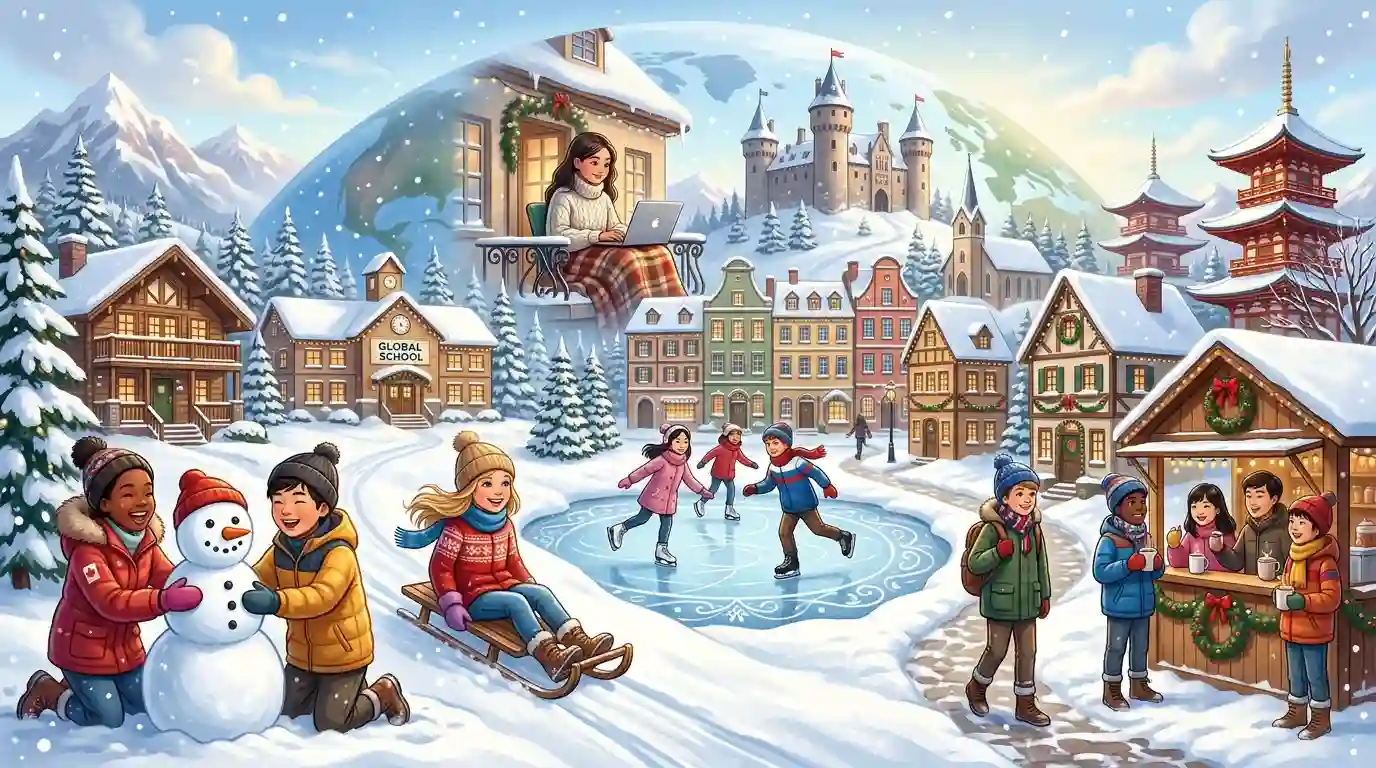
Snow days are different around the world, but they share a common feeling of surprise and wonder. For some students, a snow day means racing outside to sled, build snowmen, and throw snowballs. For others, it means logging into remote classes, helping family members, or staying warm indoors while storms pass.
The answer to “What do students do on snow days around the world?” depends on geography, culture, school policy, family routines, and weather severity. Students in Canada may go to hockey practice, children in the UK may celebrate rare snowfall, Scandinavian students may continue school as usual, Japanese students may experience organized winter routines, and mountain-region students may focus on safety and family responsibilities.
Whether traditional or digital, playful or practical, a snow day remains one of the most memorable parts of student life. It reminds children that nature can still change the schedule, slow the world down, and turn an ordinary school morning into a story worth remembering.
FAQs
1. What do students usually do on snow days?
Students usually sleep in, play outside, go sledding, build snowmen, drink hot chocolate, watch movies, play games, complete homework, or attend online classes if their school uses remote learning.
2. Do all countries have snow days?
No, not all countries have snow days. Snow days are common in places with winter storms, heavy snowfall, or icy travel conditions. In countries with warm climates, snow days are extremely rare or nonexistent.
3. Why do schools close on snow days?
Schools close when snow, ice, freezing rain, wind chill, or poor road conditions make travel unsafe for students, teachers, and school buses.
4. Do students still study on snow days?
Sometimes. Many schools now use remote learning during snow days. Students may attend online classes, complete assignments, or watch recorded lessons from home.
5. Which countries are used to snow days?
Countries such as the United States, Canada, the United Kingdom, Norway, Sweden, Finland, Japan, Switzerland, and Austria may experience snow-related school disruptions, depending on the region and severity of weather.
6. Are snow days good for students?
Snow days can be good for students when they provide rest, outdoor play, family time, and a break from routine. However, too many snow days may disrupt learning or require makeup days.
7. What are safe outdoor activities on a snow day?
Safe outdoor activities include sledding on approved hills, building snowmen, making snow angels, walking in safe areas, ice skating on approved rinks, and playing supervised snow games.
8. How can parents prepare for a snow day?
Parents can prepare by checking weather alerts, charging devices, stocking food, arranging childcare, preparing warm clothing, planning activities, and monitoring school closure announcements.
9. Are snow days becoming online learning days?
In many places, yes. Some schools now use virtual learning instead of canceling classes completely. However, many families and students still value traditional snow days.
10. What makes snow days special around the world?
Snow days are special because they interrupt normal routines and create unique memories. Whether students are playing outdoors, learning online, or spending time with family, snow days offer a rare change from everyday school life.