Summary
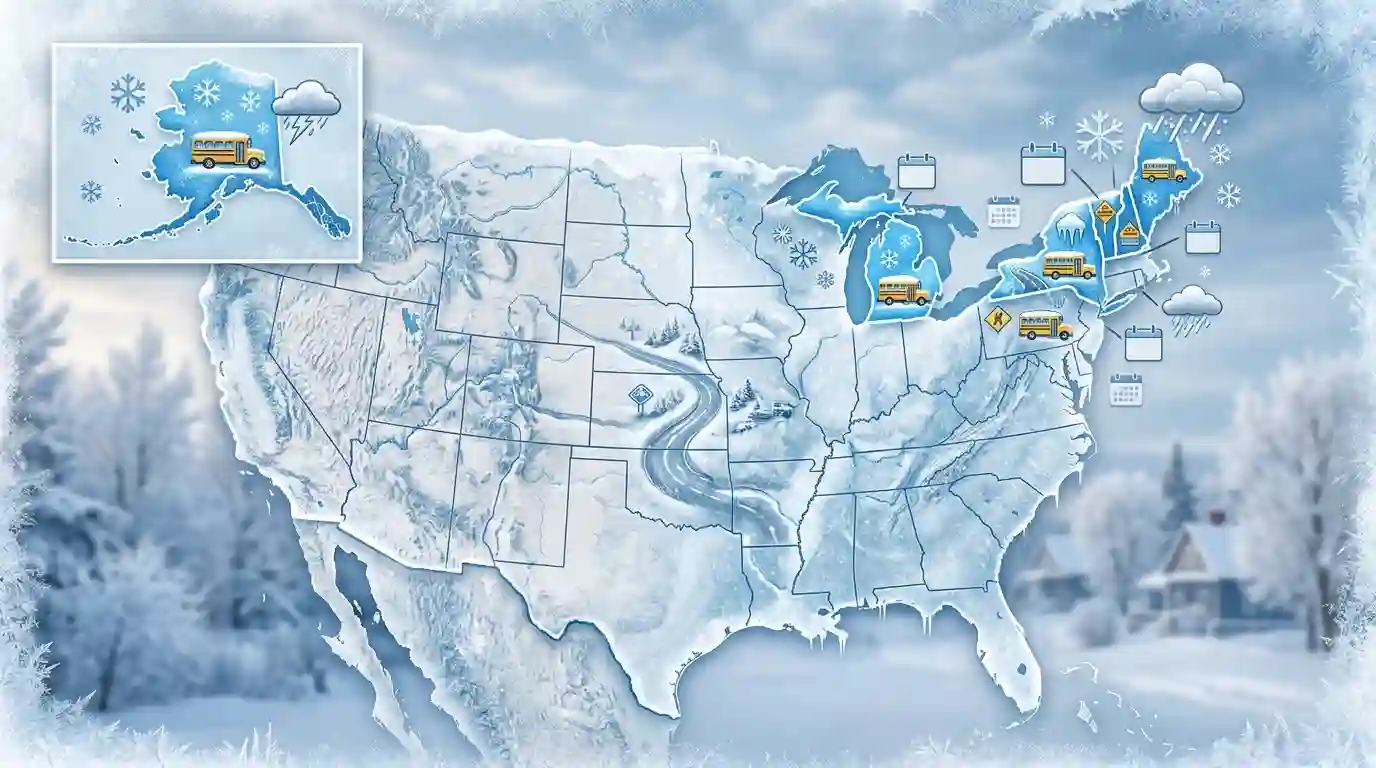
The 6 States With the Most School Snow Days Per Year are usually the places where heavy snowfall, lake-effect snow, icy rural roads, mountain terrain, extreme wind chills, and long winter seasons create repeated school closure risks. While there is no single official national database that ranks every state by school snow days, states such as Alaska, Michigan, Maine, New York, Vermont, and New Hampshire consistently stand out because of their winter weather patterns, transportation challenges, and district-level closure decisions.
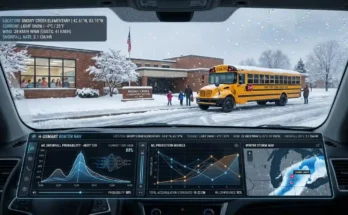
School snow days are not based only on how many inches of snow fall. District leaders also consider bus routes, black ice, freezing rain, wind chill, visibility, power outages, road-clearing capacity, and whether younger students can safely wait outside. In many cold-weather states, schools may remain open during light snow but close quickly when hazardous travel, lake-effect bands, nor’easters, blizzards, or dangerous subzero temperatures threaten student safety.
Table of Content
- What Counts as a School Snow Day?
- Why Some States Get More School Snow Days Than Others
- How We Ranked the 6 States With the Most School Snow Days Per Year
- Quick Comparison: 6 States With the Most School Snow Days Per Year
- Alaska: Long Winters, Ice Roads, and Extreme Cold
- Michigan: Lake-Effect Snow and Frequent Winter Closures
- Maine: Nor’easters, Ice, and Rural Bus Routes
- New York: Lake-Effect Snow Belts and Upstate Closures
- Vermont: Mountain Roads and Heavy Snowfall
- New Hampshire: Snowstorms, Elevation, and Icy Commutes
- What Parents Should Watch Before a Snow Day
- Conclusion
- FAQs
What Counts as a School Snow Day?
A school snow day is a full-day school closure caused by winter weather. In most districts, it happens when snow, ice, sleet, freezing rain, low visibility, or dangerous wind chill makes it unsafe for students, teachers, and buses to travel.
Some districts now use remote learning, e-learning, flexible instruction days, or virtual assignments instead of traditional snow days. However, many families still use the term “snow day” for any weather-related closure, even when the reason is ice, extreme cold, or unsafe roads rather than fresh snowfall.
A snow day may happen because of:
- Heavy snow accumulation
- Blowing snow and whiteout conditions
- Freezing rain or black ice
- Dangerous wind chill
- Poor rural road conditions
- Impassable bus routes
- Power outages
- Flooding after snowmelt
- Delayed plowing after overnight storms
This is why the snowiest state is not always the state with the most school snow days. Some areas are extremely prepared for winter weather, while others close more often because roads, hills, school transportation, or storm timing create more safety concerns.
Why Some States Get More School Snow Days Than Others
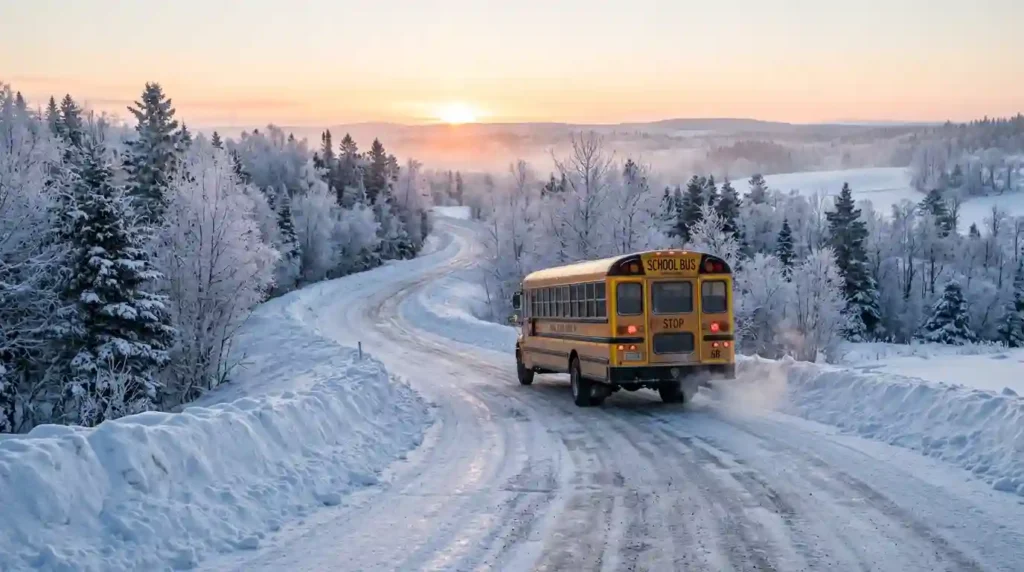
School closures depend on both climate and local infrastructure. A district in northern Michigan may remain open during a few inches of snow because road crews, bus drivers, and families are used to lake-effect storms. A district in a warmer state may close from only one or two inches because ice treatment, snowplows, and winter tires are less common.
The most common snow-day factors include:
1. Snowfall Frequency
States with frequent snow events have more opportunities for closures. According to NOAA’s long-term satellite snow-cover records, snow cover across the Northern Hemisphere has been monitored for decades, helping researchers understand where snow persists and how seasonal snow changes over time. For a useful snow and ice reference, visit the NOAA Climate.gov Snow and Ice Cover Map Viewer.
2. Storm Timing
A storm that hits at 3 a.m. creates a different problem than a storm that arrives on a Saturday. School superintendents often decide before buses begin running, so overnight storms, early-morning freezing rain, or afternoon whiteout forecasts can trigger cancellations.
3. Rural Transportation
Many snow-day decisions are about buses. Rural districts may cover hundreds of square miles, including gravel roads, mountain roads, long driveways, and areas where plows arrive later.
4. Ice Is Often Worse Than Snow
A district may stay open after six inches of fluffy snow but close after a thin layer of freezing rain. Ice creates dangerous walking conditions, bus delays, and higher crash risk.
5. State Instructional Requirements
Many states require a minimum number of school days or instructional hours. For example, Maine requires school administrative units to maintain at least 180 school days, with at least 175 used for instruction, and the state provides guidance for waivers and rescheduled instructional days.
How We Ranked the 6 States With the Most School Snow Days Per Year
Because no national agency publishes a perfect state-by-state snow-day ranking, this list uses an informed estimate based on several signals:
- Average snowfall and snow frequency
- Length of winter season
- Lake-effect snow zones
- Mountain and rural road exposure
- Extreme cold and wind chill risk
- Common school closure patterns
- State guidance around weather closures and makeup days
- District transportation challenges
This ranking focuses on traditional weather-related school closures, including snow days, ice days, and extreme cold days.
Parents can also check a local weather-based tool such as the Cold Day predictor to estimate whether dangerous cold or winter weather may affect school schedules.
Quick Comparison: 6 States With the Most School Snow Days Per Year
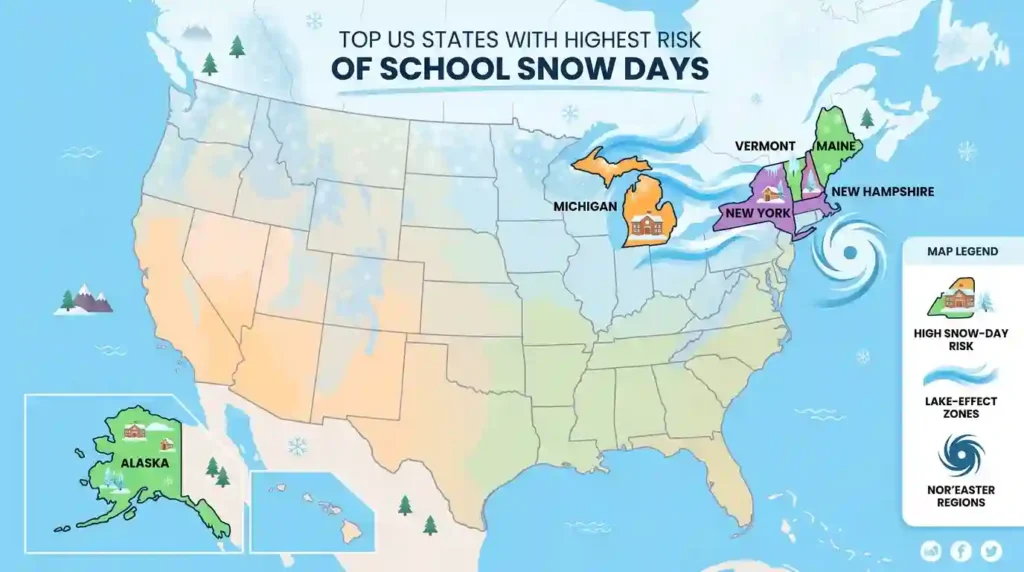
| Rank | State | Estimated School Snow Days Per Year | Main Closure Triggers |
| 1 | Alaska | 5–10+ | Extreme cold, ice roads, heavy snow, remote districts |
| 2 | Michigan | 4–8 | Lake-effect snow, rural roads, freezing rain |
| 3 | Maine | 4–8 | Nor’easters, ice, inland snow, long bus routes |
| 4 | New York | 3–7 | Lake-effect snow, upstate storms, blizzards |
| 5 | Vermont | 3–6 | Mountain roads, heavy snow, freezing rain |
| 6 | New Hampshire | 3–6 | Elevation changes, icy commutes, nor’easters |
These ranges are realistic estimates, not official statewide averages. A district in western New York, the Upper Peninsula of Michigan, rural Alaska, or northern Maine can exceed these numbers in a harsh winter, while an urban district in the same state may have fewer closures.
Alaska: Long Winters, Ice Roads, and Extreme Cold
Alaska earns the top spot because winter affects school operations for a long part of the academic year. The state includes coastal snow zones, interior regions with brutal cold, remote villages, mountain passes, and districts where transportation can involve buses, small aircraft, boats, or long rural routes depending on the community.
School snow days in Alaska are not always caused by deep snow. In many districts, extreme cold, freezing rain, icy roads, high winds, and visibility problems can be just as disruptive. A day may be too dangerous for students to wait outside, even if the roads are technically passable.
Why Alaska Gets So Many Weather Closures
Alaska’s school closure risk is shaped by:
- Long winter seasons
- Subzero temperatures
- Ice buildup on roads and walkways
- Heavy snow in coastal and mountain areas
- Remote transportation challenges
- Limited daylight during winter
- Wind chill concerns for children waiting for buses
Some Alaska districts are experienced at operating in cold conditions, so they do not close for ordinary winter weather. However, when temperatures become dangerous or storms affect transportation, closures can happen quickly.
For a deeper look at how the state handles weather-related school decisions, read this guide on Snow Day Policies in Alaska.
Estimated Alaska School Snow Days Per Year
Alaska districts may average around 5 to 10+ weather-related school closure days per year, depending on location. Coastal districts, interior districts, and remote communities can experience very different closure patterns.
Michigan: Lake-Effect Snow and Frequent Winter Closures
Michigan is one of the strongest contenders for the most school snow days in the Lower 48. The state is surrounded by the Great Lakes, which makes lake-effect snow a major factor. Cold air moving across Lake Superior, Lake Michigan, Lake Huron, or Lake Erie can produce narrow but intense snow bands.
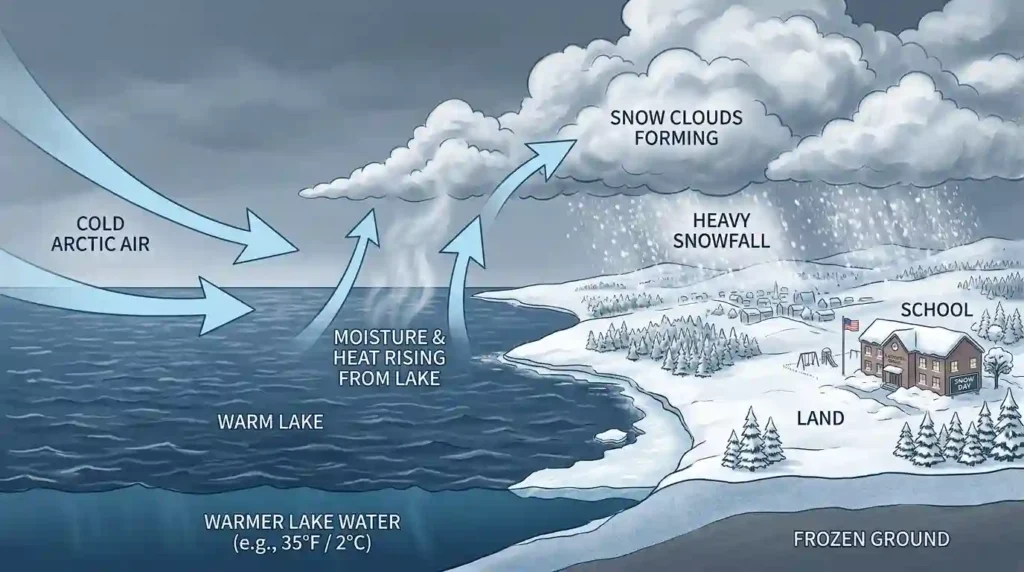
These snow bands may bury one town while leaving another nearby community with only light snow. That makes school closure decisions difficult, especially for districts with large transportation areas.
Why Michigan Schools Close Often
Michigan snow days are commonly caused by:
- Lake-effect snow
- Whiteout conditions
- Freezing rain
- Rural road drifting
- Strong winds
- Dangerous wind chill
- Poor visibility during bus routes
Michigan also has a strong policy connection to weather cancellations. In 2026, Michigan officials addressed school makeup days for districts affected by severe weather, and state guidance discussed school day cancellations, forgiven time, and closures during declared emergencies.
Michigan’s Highest-Risk Areas
The Upper Peninsula, western Lower Michigan, and communities near Lake Michigan often face the most frequent school weather disruptions. Areas around Marquette, Houghton, Traverse City, Grand Rapids, and other lake-effect zones can see repeated snow events in a single season.
Estimated Michigan School Snow Days Per Year
Many Michigan districts may average around 4 to 8 snow days per year, with some lake-effect or rural districts occasionally reaching 10 or more during severe winters.
Maine: Nor’easters, Ice, and Rural Bus Routes
Maine is another state where school snow days are common. The state’s combination of coastal storms, inland snow, freezing rain, rural roads, and long bus routes creates repeated winter school closure risks.
Maine does not need a record-breaking blizzard to close schools. A messy mix of sleet and freezing rain can create dangerous morning travel conditions, especially in rural areas where roads may not be treated before buses begin running.
Why Maine Is a Snow-Day Hotspot
Maine’s school closure risk comes from:
- Nor’easters
- Heavy inland snowfall
- Coastal ice storms
- Freezing rain
- Long rural bus routes
- Power outages
- Rapid temperature drops
Maine education guidance also makes clear that districts must account for instructional-day requirements, and the Department of Education has encouraged school administrative units to plan for weather-related closures and rescheduled instructional days.
Maine’s Most Affected Regions
Northern Maine, western Maine, and rural inland districts often face the highest snow-day risk. Coastal districts can also close when storms bring wet snow, ice, flooding, or high winds.
Estimated Maine School Snow Days Per Year
Maine districts may average 4 to 8 school snow days per year, though the number changes sharply between coastal cities and inland rural districts.
New York: Lake-Effect Snow Belts and Upstate Closures
New York is a large state with very different winter conditions depending on location. New York City may have only a few snow-related closures in some years, while upstate districts near Lakes Erie and Ontario can experience intense lake-effect snow.
Cities and regions such as Buffalo, Watertown, Syracuse, Rochester, Tug Hill, and the Adirondacks are well known for heavy winter weather. In lake-effect zones, snow can fall at rates that quickly overwhelm roads and reduce visibility.
Why New York Makes the List
New York school snow days are often linked to:
- Lake-effect snow
- Nor’easters
- Blizzard warnings
- Freezing rain
- Dangerous wind chills
- Rural and mountain routes
- Snow squalls during commute times
Snowfall data commonly show Syracuse and other upstate locations among the snowiest populated areas in the United States. Secondary snowfall summaries based on NOAA climate normals list Syracuse with a high number of annual snow days and very high yearly snowfall compared with many other U.S. cities.
The New York Snow-Day Divide
The biggest difference in New York is regional. Downstate districts may close for major coastal storms or icy conditions, while upstate districts may face many more snow events. In western and northern New York, the issue is often not just accumulation but visibility, drifting snow, and whether buses can safely complete routes.
Estimated New York School Snow Days Per Year
New York districts may average 3 to 7 snow days per year, with lake-effect snow belt districts sometimes exceeding that during active winters.
Vermont: Mountain Roads and Heavy Snowfall
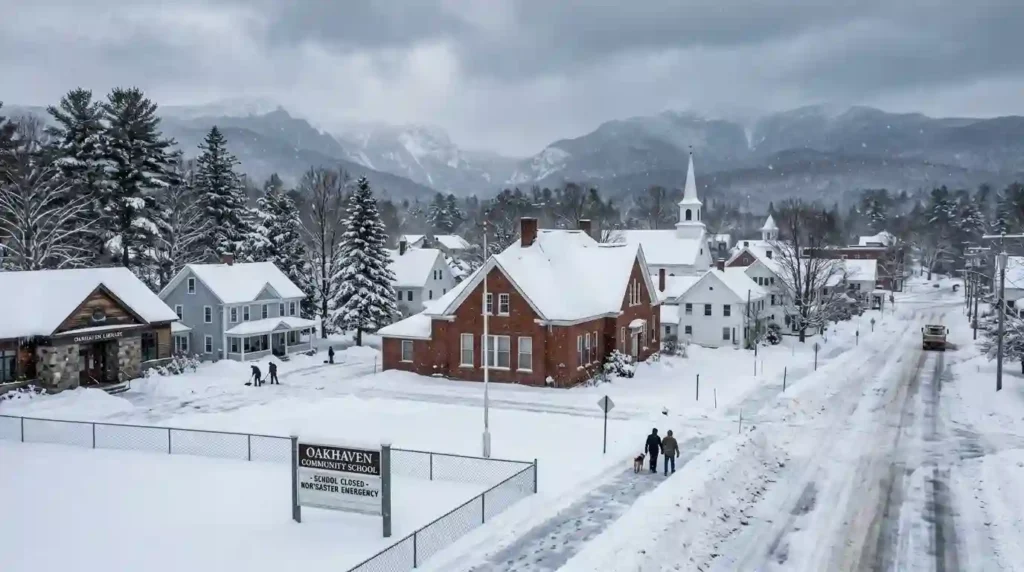
Vermont is a classic snow-day state. The Green Mountains, cold winters, and rural road networks create many opportunities for school closures. Vermont communities are generally prepared for snow, but steep roads, freezing rain, and mountain weather can still make travel dangerous.
Why Vermont Schools Close
Vermont districts commonly monitor:
- Mountain road conditions
- Snow accumulation
- Freezing rain
- Wind chill
- Rural bus routes
- Road treatment timing
- Visibility during morning transportation
Vermont is also a state where elevation matters. A valley school may see manageable snow while roads at higher elevations become slick or difficult for buses.
Vermont’s Closure Pattern
Vermont schools may not close for every snowfall because winter weather is expected. However, when a storm creates icy roads, heavy morning snow, or fast-changing mountain conditions, cancellations and delays become more likely.
Estimated Vermont School Snow Days Per Year
Many Vermont districts may average around 3 to 6 school snow days per year, though mountain and rural districts can exceed that in snowy winters.
New Hampshire: Snowstorms, Elevation, and Icy Commutes
New Hampshire rounds out the list because of its combination of mountain terrain, snowy winters, freezing rain, and district transportation challenges. Like Vermont and Maine, New Hampshire is part of northern New England, where nor’easters and inland winter storms can quickly affect school schedules.
Why New Hampshire Has Frequent Snow Days
New Hampshire closure risks include:
- Heavy snow from nor’easters
- Icy rural roads
- Elevation changes
- Mountain passes
- Wind-driven snow
- Freezing rain
- Morning commute hazards
Northern and western New Hampshire often see more persistent winter conditions, while southern New Hampshire may be affected by mixed precipitation and icy commutes.
The Role of Delays
New Hampshire schools often use two-hour delays when storms are expected to clear or when road crews need extra time. However, when snow continues through bus pickup or freezing rain creates widespread ice, districts may close for the full day.
Estimated New Hampshire School Snow Days Per Year
New Hampshire districts may average 3 to 6 school snow days per year, with higher totals in mountain and rural regions.
What Parents Should Watch Before a Snow Day
Parents who want to predict a school snow day should look beyond snowfall totals. A forecast of three inches may close school if it arrives during the morning commute, while eight inches overnight may not close school if roads are cleared before buses run.
Key Snow-Day Warning Signs
Watch for these signals:
- Winter storm warnings
- Ice storm warnings
- Freezing rain advisories
- Wind chill warnings
- Blizzard warnings
- Snow squall alerts
- Road closures
- District transportation alerts
- Power outage reports
- Early dismissal notices from nearby districts
Snow Day vs. Delay vs. Remote Learning
Many districts now use a mix of responses:
- Full closure: No in-person or remote instruction
- Two-hour delay: School starts later after roads improve
- Early dismissal: Students leave before afternoon storms worsen
- Remote learning day: Students complete online assignments
- Makeup day: A missed school day is added later in the calendar
Parents should always follow official district announcements, because snow-day decisions are local and can vary even between neighboring towns.
Conclusion
The states with the most school snow days are not always ranked by snowfall alone. School closures depend on the combination of weather, road safety, district size, transportation routes, storm timing, and state instructional rules.
Alaska leads because of extreme winter conditions, remote communities, ice, and dangerous cold. Michigan follows closely because lake-effect snow repeatedly affects school transportation. Maine, New York, Vermont, and New Hampshire also see frequent snow days because of nor’easters, mountain roads, freezing rain, rural bus routes, and long winter seasons.
For families, the most important takeaway is simple: do not rely only on snowfall totals. Pay attention to ice, wind chill, visibility, road treatment, district alerts, and storm timing. A small but icy storm can close school faster than a larger snowfall that arrives overnight and gets cleared before morning buses roll.
FAQs
1. Which state has the most school snow days per year?
Alaska likely has the highest number of weather-related school closure days overall because of long winters, extreme cold, icy travel, and remote district challenges. However, specific districts in Michigan, Maine, and upstate New York may also have very high snow-day totals during harsh winters.
2. Are school snow days based only on snowfall totals?
No. Snowfall is only one factor. Districts also consider ice, freezing rain, wind chill, road conditions, bus safety, power outages, visibility, and whether roads can be cleared before students travel.
3. Why does Michigan have so many snow days?
Michigan has frequent lake-effect snow from the Great Lakes. These snow bands can create heavy localized snowfall, whiteouts, drifting snow, and dangerous bus-route conditions, especially in western Michigan and the Upper Peninsula.
4. Does New York get a lot of school snow days?
Yes, especially in upstate and western New York. Areas near Lake Erie and Lake Ontario can receive intense lake-effect snow, while the Adirondacks and northern regions also face heavy winter weather.
5. Why do some snowy states keep schools open?
Some snowy states have strong winter infrastructure, experienced road crews, and communities used to snow. Schools may stay open during ordinary snow but close when ice, wind chill, or visibility creates unsafe travel.
6. Do remote learning days replace snow days?
In some districts, yes. Many schools now use remote learning, e-learning, or flexible instruction days during winter weather. However, policies vary by state and district, and some closures still require makeup days.
7. What is the difference between a snow day and a cold day?
A snow day usually refers to school closure caused by snow or winter roads. A cold day happens when temperatures or wind chills are dangerous enough that students cannot safely wait outside, walk to school, or travel.
8. Which regions have the highest snow-day risk?
The highest-risk regions include Alaska, the Upper Peninsula of Michigan, western Michigan, northern Maine, Vermont’s mountain communities, New Hampshire’s higher elevations, and New York’s lake-effect snow belts.