Summary
Why Students Love Snow Days is easy to understand: a snow day feels like a surprise holiday, a break from routine, and a chance to play, rest, or spend time at home. But for teachers, the same school closure often brings mixed feelings. They may enjoy the pause too, yet they also have to think about lesson plans, missed learning time, schedule changes, assessments, student safety, and the pressure to catch up later. Snow days may look simple from the outside, but inside schools, they affect students, teachers, parents, administrators, and entire communities.
Table of Content
- Why Students Love Snow Days: The Joy Behind the Surprise Break
- Why Teachers Have Mixed Feelings About Snow Days
- Why Students Love Snow Days More Than Regular Holidays
- The Teacher’s Side: Missed Lessons, Planning, and Pressure
- How Snow Days Affect Learning and Classroom Flow
- Safety, Weather, and School Closure Decisions
- Do Online Learning Days Change the Snow Day Feeling?
- How Families Prepare for Snow Days
- Conclusion
- FAQs
Why Students Love Snow Days: The Joy Behind the Surprise Break

Snow days have a special place in student life. Unlike weekends or planned holidays, they arrive with surprise. A student may go to bed after watching snow fall outside the window, hoping school will be canceled in the morning. Then comes the exciting message: school is closed. For many children and teens, that announcement feels like winning a small lottery.
One reason students love snow days is that they interrupt the normal routine. Most school weeks follow a clear pattern: wake up early, get ready, ride the bus or drive to school, attend classes, complete homework, and prepare for the next day. A snow day suddenly breaks that pattern. Students get a rare chance to slow down without feeling like they asked for a break.
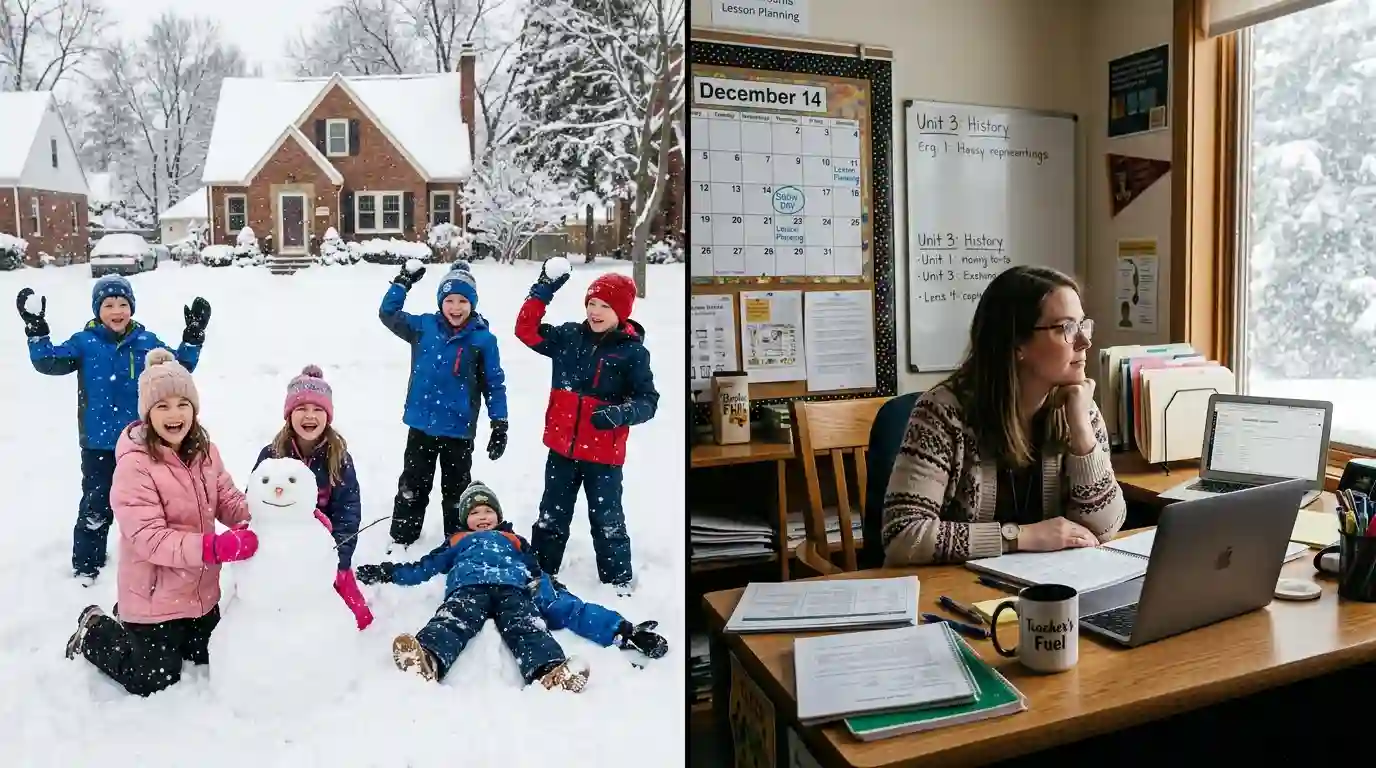
Snow days also bring freedom. Younger students may build snowmen, go sledding, make snow angels, or drink hot chocolate after playing outside. Older students may use the day to sleep in, watch movies, play games, talk with friends, or catch up on assignments. Even when students do nothing special, the feeling of unexpected time is powerful.
For many students, snow days also create memories. They remember the morning announcement, the quiet streets, the heavy snow on rooftops, and the cozy feeling of being indoors while the weather changes everything outside. These memories often stay with them long after they leave school.
Why Teachers Have Mixed Feelings About Snow Days
Teachers often understand why students are excited. Many teachers enjoy the beauty of snow and appreciate a slower morning too. However, their reaction is usually more complicated. A snow day is not only a break. It is also a disruption.
Teachers plan lessons in sequences. One lesson often depends on the one before it. When school closes unexpectedly, that sequence gets interrupted. A math teacher may have planned to introduce a new concept before a quiz. An English teacher may have scheduled a class discussion before a writing assignment. A science teacher may have prepared materials for a lab. When a snow day happens, those plans may need to shift.
This is why teachers can feel both relieved and stressed. They may enjoy the pause, but they also know that missed class time has to be handled later. The snow day may mean changing lesson plans, moving deadlines, adjusting tests, or cutting activities that were useful but not essential.
Teachers also think about students who rely on school structure. For some children, school provides meals, warmth, social connection, counseling, and a stable daily rhythm. A snow day can be fun for one student but difficult for another. Good teachers understand this difference, which is why their feelings are often mixed.
Why Students Love Snow Days More Than Regular Holidays
A planned holiday is nice, but a snow day feels different. The main reason is surprise. Students already know when winter break, spring break, or public holidays are coming. Those days are expected. A snow day, however, feels like extra time added to life.
The emotional impact is stronger because students usually expect to go to school. They may have packed their bag, finished homework, or prepared for a test. Then suddenly, the day opens up. That contrast creates excitement.
Snow days also feel shared. Students text friends, check school websites, refresh weather apps, and wait for district announcements. The whole community seems to pause together. In cold climates, school closure news can become a local event. Parents, students, teachers, bus drivers, and school leaders all watch the same forecast.
Another reason students love snow days is that they connect learning life with real weather. A snowstorm is not just something read about in a science book. Students can see accumulation, wind, ice, freezing rain, and road conditions outside their own homes. The weather becomes part of the story of the day.
Students also enjoy the feeling of safety. When roads are icy and temperatures are dangerously low, staying home can feel comforting. The warmth of home, a blanket, soup, games, and family time can make the day feel special.
The Teacher’s Side: Missed Lessons, Planning, and Pressure
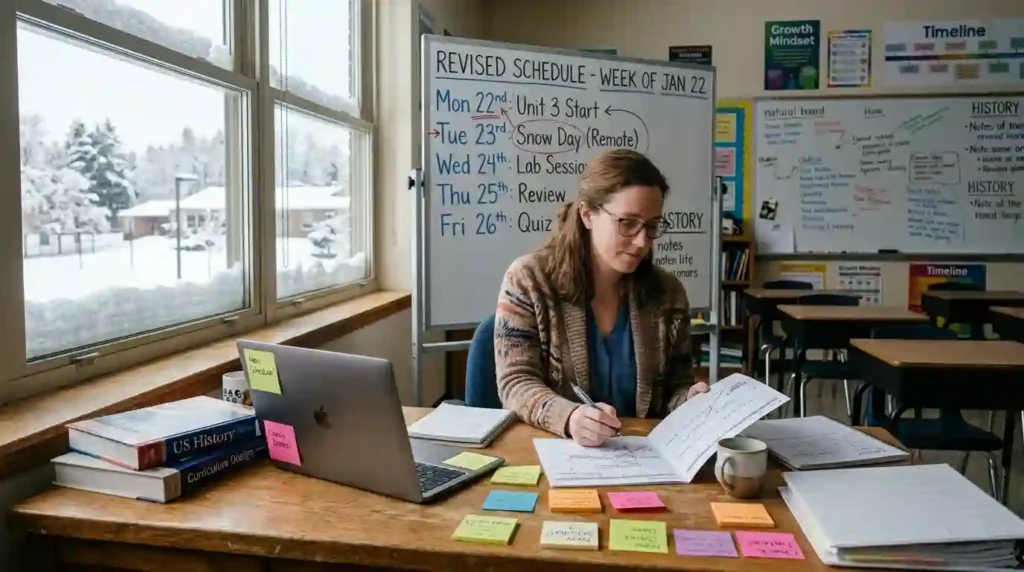
For teachers, every school day matters. A single snow day may not seem like much, but several snow days during one winter can create real pressure. Teachers still have standards to cover, assessments to prepare students for, and learning goals to meet.
The problem is not only the lost day. It is the ripple effect. A teacher may need to move Monday’s lesson to Tuesday, Tuesday’s test to Thursday, and Friday’s project deadline to the following week. If another storm comes, the schedule shifts again.
This can be especially challenging in subjects that build step by step. In mathematics, missing one day of instruction may affect the next lesson. In science, labs may depend on equipment, timing, or group work. In language arts, reading discussions may lose momentum. In social studies, a planned debate or presentation may need to be shortened.
Teachers also have to think about fairness. Some students may have internet access, quiet study space, and parents available to help. Others may not. When teachers assign work during snow days, they must consider whether every student can reasonably complete it.
This is one reason teachers do not always celebrate snow days the same way students do. They know the hidden work that follows.
How Snow Days Affect Learning and Classroom Flow
Snow days can affect learning in several ways. The first is loss of continuity. Students learn best when lessons connect clearly. When school is closed, especially without warning, that connection can weaken. Students may forget details from the previous lesson or lose focus on a project.
The second effect is schedule compression. Teachers may need to teach the same material in less time. This can lead to faster lessons, shorter practice periods, and fewer enrichment activities. Students who need extra support may feel the pressure most.
The third effect is classroom energy. After a snow day, students often return excited, tired, or distracted. Some may have enjoyed a full day outside. Others may have stayed up late because they did not have school. Teachers must bring the class back into routine before serious learning can continue.
However, snow days are not always negative for learning. A short break can help students rest. It may reduce stress before a busy week. It can also give students time to read, think, play creatively, or spend time with family. The value of a snow day depends on the student, the teacher, the timing, and how many closures happen during the year.
Safety, Weather, and School Closure Decisions
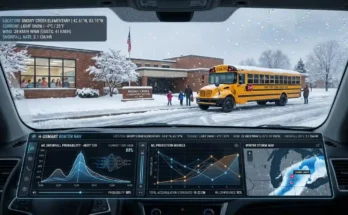
School closure decisions are not made only because snow looks pretty. District leaders often consider road conditions, bus routes, visibility, freezing rain, ice accumulation, wind chill, sidewalk safety, parking lots, and whether buildings can open safely.
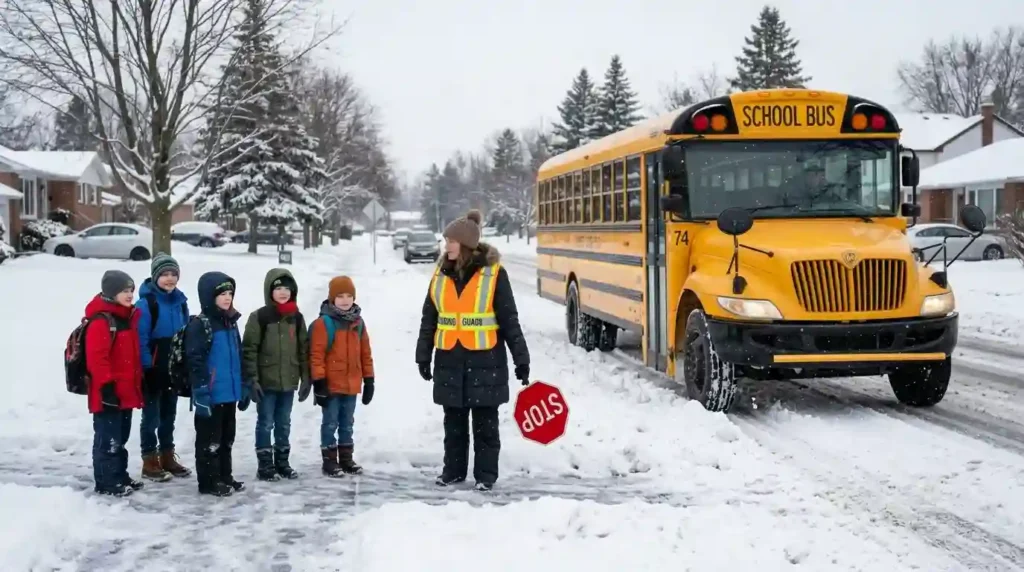
Extreme cold can be a serious issue too. The National Weather Service explains that snow, ice, and dangerous wind chills are common reasons school leaders may close schools, especially when students must wait outside for buses or travel in unsafe conditions. You can read more from the National Weather Service guidance on closing for cold.
This is important because students sometimes see only the fun side of a snow day. Teachers and administrators see the risk side too. A district may have rural roads that take longer to clear. Buses may need to travel before sunrise. Young children may stand outside in freezing temperatures. Staff may drive from far away. Ice can create danger even when snowfall totals are low.
This is why predicting snow days can feel uncertain. One town may close while another nearby district stays open. The decision may depend on timing, local terrain, road crews, transportation systems, and weather forecasts.
Students and families who want to estimate the chance of school closing can use the Free Snow Day Calculator Tool to get a better idea based on weather patterns and local factors.
Do Online Learning Days Change the Snow Day Feeling?
In many schools, traditional snow days have changed because of online learning. Some districts now use remote learning days instead of canceling school completely. This helps protect instructional time, but it also changes the emotional meaning of a snow day.

For students, an online learning day may not feel like a real snow day. They may still have assignments, video classes, digital worksheets, or online discussions. The surprise break becomes more like school at home.
For teachers, remote learning can reduce the problem of lost time, but it creates a different kind of work. They may need to prepare digital lessons quickly, adjust materials for online use, support students with technology problems, and communicate with families.
Online snow days can also raise equity concerns. Not every student has strong internet, a quiet workspace, or a device available all day. Younger students may need adult support to log in or complete tasks. Teachers have to balance learning expectations with real-life conditions at home.
This is why many educators have mixed feelings about replacing snow days with e-learning. It helps keep the academic calendar moving, but it can take away the rest and joy that made snow days special.
The Emotional Value of a Real Snow Day
A real snow day can give children something that is hard to schedule: unstructured time. Modern students often have busy lives. School, homework, sports, tutoring, clubs, screens, and family responsibilities can fill their days. A snow day creates space.
Unstructured time matters because it supports creativity and emotional rest. A child may invent games in the snow, read a book, draw, help cook, or simply look out the window. These activities may not appear on a report card, but they still support development.
Teachers often understand this. Many educators believe children need rest and play. Their mixed feelings usually do not come from disliking snow days. Instead, they come from knowing that rest for students can mean more planning pressure for teachers.
This balance is the heart of the snow day debate. Students see freedom. Teachers see freedom plus consequences.
How Snow Days Affect Parents and Families
Snow days also affect parents. For some families, a snow day is a cozy chance to be together. For others, it creates stress. Parents may need to work, arrange childcare, change schedules, or manage remote learning while handling their own responsibilities.
In cold regions, parents often prepare ahead of time with food, warm clothing, backup plans, snow gear, and flexible work arrangements. Families that live in snowy areas usually learn how to watch forecasts, prepare vehicles, and plan for possible school cancellations. For more practical insight, read What Parents in Cold Climates Do Differently to Prepare.
Teachers are aware of this family impact. They know that a snow day may be exciting for students but stressful for working parents. This adds another layer to how teachers think about closures. They want students safe, but they also understand that school provides routine and support for families.
Why Teachers Still Appreciate Snow Days Sometimes
Even with all the challenges, many teachers do appreciate snow days. Teachers work hard, and an unexpected pause can be welcome. It may give them time to rest, grade papers, plan future lessons, or simply enjoy a quiet day.
A snow day can also protect teachers from dangerous travel. Teachers often commute from different towns or counties. If roads are icy, the closure may keep staff safe too.
Teachers may also enjoy seeing students return with stories. A snow day can become a shared classroom memory. Students talk about sledding, snow forts, power outages, hot chocolate, or helping shovel driveways. These stories can build classroom community.
The difference is that teachers usually see both sides at once. They may smile when school is canceled, then immediately think, “How will I adjust tomorrow’s lesson?”
How Schools Can Balance Joy and Learning
Schools can handle snow days better when they plan ahead. Clear communication helps families know what to expect. Districts should explain how decisions are made and when announcements will be shared.
Teachers can prepare flexible lesson plans during winter months. For example, they may have review activities, independent reading tasks, or optional enrichment work ready in case of closure. This reduces stress when weather changes quickly.
Schools can also avoid overloading students after a snow day. A reasonable return plan helps students settle back into routine. Teachers may need to review key points before moving forward.
The best approach respects both safety and learning. Snow days should not be treated as careless free time, but they should not be stripped of all joy either. Students need safety, rest, and childhood memories. Teachers need time, support, and realistic expectations.
Conclusion
Snow days mean different things to different people. For students, they often feel magical: no early alarm, no bus ride, no classroom schedule, and a full day of snow, rest, and freedom. That is the simple reason behind why students love snow days.
For teachers, the feeling is more layered. They may enjoy the break, but they also think about missed lessons, changed plans, student needs, family challenges, and the pressure to keep learning on track. A snow day is both a gift and a disruption.
The best way to understand snow days is to see both sides. Students are not wrong to love them, and teachers are not wrong to feel conflicted. Snow days bring joy, safety, rest, planning challenges, and community-wide decisions all at once. That is what makes them such a memorable part of school life.
FAQs
Why do students love snow days so much?
Students love snow days because they feel unexpected and exciting. A snow day gives them a break from routine, extra rest, time to play, and a sense of freedom that planned holidays do not always create.
Why do teachers have mixed feelings about snow days?
Teachers have mixed feelings because a snow day can be relaxing, but it also interrupts lesson plans, delays tests, affects classroom flow, and creates pressure to catch up later.
Are snow days bad for learning?
One or two snow days are usually not a major problem. However, repeated school closures can disrupt learning, especially when lessons build on each other or when teachers have limited time before exams.
Do snow days count as school days?
This depends on the school district or local education rules. Some schools make up snow days later in the year, while others use built-in emergency days or online learning days.
Why do some schools close while others stay open?
Schools make closure decisions based on local road conditions, bus routes, snowfall timing, ice, wind chill, building safety, and transportation risks. Nearby districts may face different conditions.
Do teachers enjoy snow days too?
Many teachers do enjoy snow days, especially when travel would be unsafe. However, they also know that missed class time often means extra planning and schedule changes later.
What is the difference between a snow day and an online learning day?
A traditional snow day usually means school is canceled. An online learning day means students stay home but complete lessons or assignments through digital tools.
How can families prepare for snow days?
Families can prepare by watching weather alerts, keeping winter clothing ready, planning childcare, stocking basic supplies, charging devices, and preparing safe indoor activities for children.