Summary
Winter storms can create more than slippery sidewalks and school closures—they can also disrupt major academic deadlines. When Snow Days Affect Exam Schedules and Finals Week, students, parents, teachers, and administrators must quickly adjust plans for makeup exams, delayed finals, online testing, transportation challenges, grading deadlines, and graduation requirements. This guide explains how snow days impact exam calendars, what schools usually do when severe weather interrupts finals week, and how students can stay prepared without losing academic momentum.
Table of Content
- How Snow Days Affect Exam Schedules and Finals Week in Schools
- Why Winter Weather Disrupts Academic Calendars
- Common Exam Schedule Changes After Snow Days
- How Snow Days Affect Exam Schedules and Finals Week for Students
- Finals Week Makeup Policies and Grading Deadlines
- Virtual Snow Days and Online Exams
- Tips for Students, Parents, and Teachers
- Conclusion
- FAQs
How Snow Days Affect Exam Schedules and Finals Week in Schools
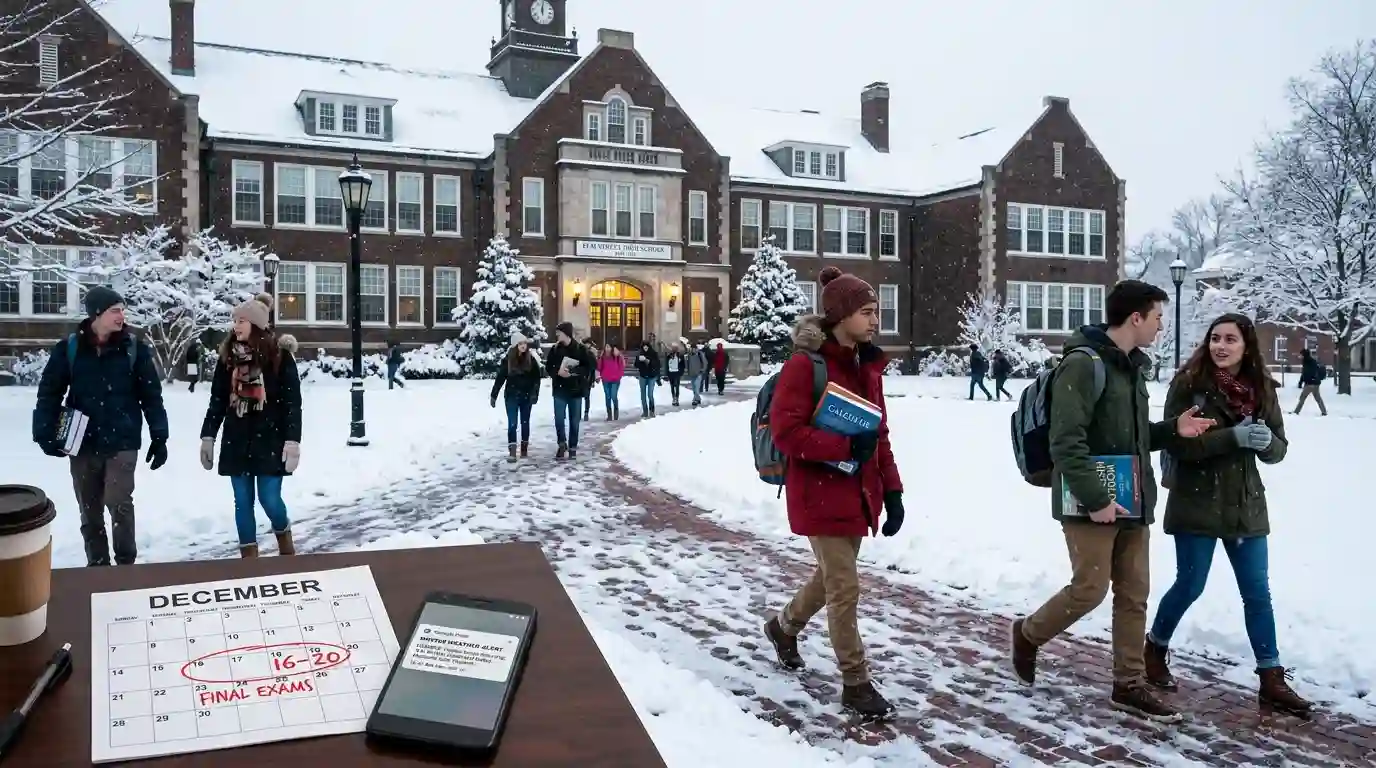
Snow days are often exciting for students at first. A surprise day off can feel like a gift during a stressful semester. But when winter weather arrives close to midterms, semester exams, or finals week, that excitement can quickly turn into confusion. A single school closure may shift review sessions, cancel exam blocks, delay transportation, affect teacher grading time, and compress an already busy academic calendar.
Schools and colleges build exam schedules carefully. Finals week usually depends on fixed testing windows, classroom availability, bus schedules, teacher contract hours, athletic events, graduation timelines, and district reporting deadlines. When snow, ice, freezing rain, dangerous wind chills, or poor road conditions force a closure, administrators must decide whether to delay exams, move them online, shorten exam periods, extend the semester, or use previously planned makeup days.
The impact is different for every education level. Elementary and middle schools may focus on missed instructional time. High schools may need to reschedule semester finals, Advanced Placement review, state assessments, and credit recovery deadlines. Colleges and universities may adjust final exam blocks, dorm move-out dates, dining services, campus transportation, and professor grading timelines.
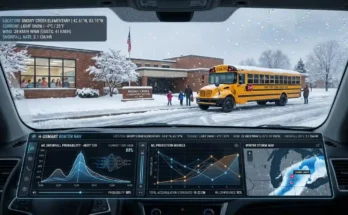
Because winter weather can be unpredictable, many families use weather prediction tools and local alerts to prepare. A Snow day calculator can help students and parents estimate whether a closure might happen, but official school announcements should always be the final source for schedule changes.
Why Winter Weather Disrupts Academic Calendars
A snow day is not just a missed class day. It can become a chain reaction across the academic calendar. When schools close for severe weather, several systems are affected at once: instruction, assessment, transportation, attendance, staff availability, and facilities.
The biggest reason exam schedules change is safety. School leaders must consider whether students and staff can travel safely. Snow-covered roads, black ice, limited visibility, delayed buses, and extreme cold can make a normal school day risky. The National Weather Service provides winter weather safety resources that explain how snow, ice, wind chill, and winter storms can create hazardous travel and outdoor conditions. For official winter safety guidance, visit the National Weather Service winter safety page.
Another factor is equity. If some students can safely reach school but others cannot, holding an exam may be unfair. Rural students may face unplowed roads, while urban students may depend on public transit delays. Students with disabilities may need accessible transportation or campus routes cleared before they can attend. In colleges, commuter students may be more affected than students living on campus.
Technology access also matters. Some schools may switch to virtual learning or online exams, but not all students have reliable internet, a quiet testing space, or working devices at home. That is why many districts and universities avoid high-stakes online finals during weather emergencies unless they already have a strong remote-learning policy.
Common Exam Schedule Changes After Snow Days
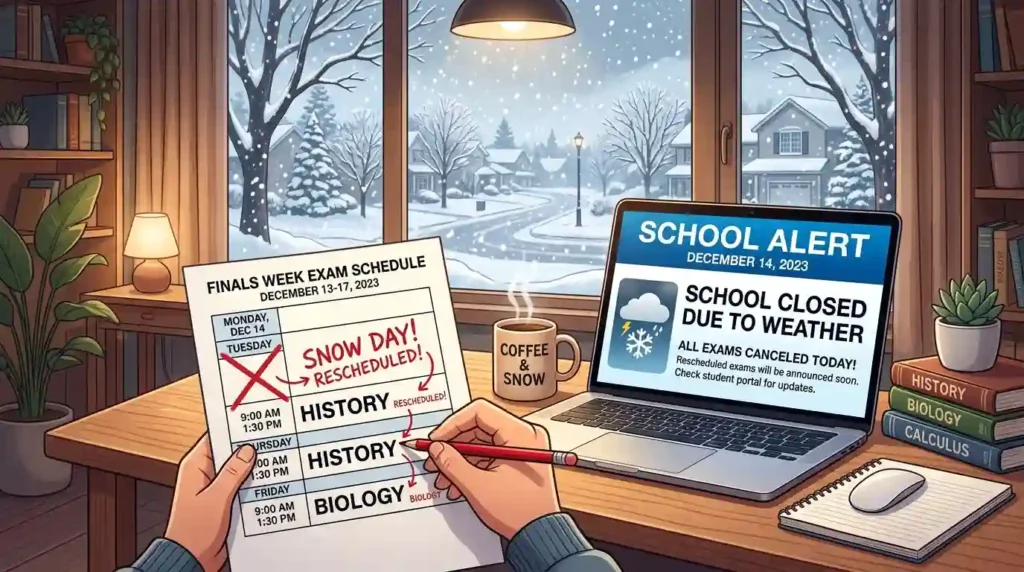
When snow days interrupt exam week, schools usually choose one of several options. The decision depends on the number of missed days, the timing of the closure, the severity of the storm, and whether the institution already has emergency weather policies.
1. Exams Move to the Next School Day
The most common approach is to shift the entire exam schedule forward. If Monday’s exams are canceled, Monday’s exams may be held on Tuesday, Tuesday’s exams on Wednesday, and so on. This keeps the original order intact and prevents students from taking tests out of sequence.
This approach is simple, but it can create problems when finals week ends right before winter break, graduation, or the end of a college term. If there is no extra day available, schools may need a different solution.
2. Makeup Exam Days Are Used
Many academic calendars include built-in makeup days. These days may appear at the end of the semester or school year. During finals week, a makeup day may be reserved for weather closures, illness, or scheduling conflicts.
For example, if a snowstorm cancels exams on Thursday, the school may use Friday as a makeup exam day. In college settings, the registrar may publish a revised final exam schedule with updated time blocks.
3. Exam Periods Are Shortened
Some schools shorten exam periods to fit more tests into fewer days. Instead of two-hour finals, students may take 90-minute exams. Instead of one or two exams per day, students may take multiple exams in a compressed schedule.
This option can help schools stay on track, but it may increase student stress. Students who expected more preparation time may suddenly face back-to-back finals with less recovery time between tests.
4. Review Days Are Removed
Sometimes schools protect the exam dates by canceling planned review days. For instance, if a snow day occurs during the review period before finals, administrators may keep the exam schedule unchanged and remove one day of classroom review.
This approach preserves grading deadlines but can hurt students who rely on teacher-led review, study guides, lab practice, or final project support.
5. Exams Move Online
Some schools use learning management systems, video meetings, or secure testing platforms to continue exams remotely. This is more common in colleges and universities than in younger grades. Online exams may include timed quizzes, open-book assessments, essays, oral presentations, or take-home finals.
However, remote exams require clear rules. Teachers must explain deadlines, submission formats, academic honesty policies, internet outage procedures, and what students should do if they lose power.
6. Finals Are Canceled or Replaced
In rare cases, a final exam may be canceled, replaced with a project, or converted into an optional assessment. This usually happens when the exam is not required for state reporting, accreditation, course credit, or graduation.
Teachers may calculate final grades using previous assignments, projects, quizzes, participation, or cumulative coursework. While this can reduce stress, it may disappoint students who were counting on the final exam to improve their grade.
How Snow Days Affect Exam Schedules and Finals Week for Students
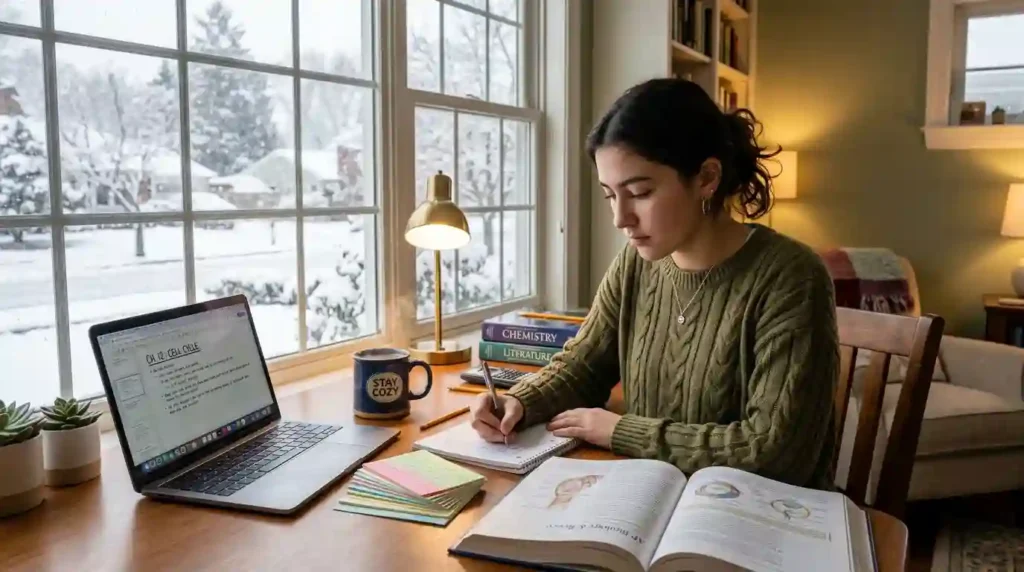
Snow days affect students differently depending on their grade level, course load, transportation, and personal responsibilities. For some students, a snow day provides extra study time. For others, it creates uncertainty, anxiety, and a disrupted routine.
Study Plans Get Interrupted
Many students create detailed study schedules before finals week. A snow day can change everything. A student who planned to study biology on Monday night and take the exam Tuesday may suddenly need to prepare for math first because the schedule shifted.
This is why flexible study planning matters. Instead of studying only for the next exam, students should review all subjects in smaller blocks. A rotating study plan helps students stay ready even if the exam order changes.
Stress and Test Anxiety Increase
Unexpected schedule changes can increase test anxiety. Students may worry about whether the exam will be harder, whether they will forget material, or whether they will have enough time to prepare. Seniors may also worry about college applications, scholarships, transcripts, and graduation requirements.
Clear communication from schools can reduce this stress. Students need to know which exams are postponed, when makeup exams will happen, whether assignments are still due, and how grades will be calculated.
Transportation Becomes a Challenge
Even after a snow day ends, roads may remain icy. Delayed buses, blocked sidewalks, snowbanks, and limited parking can affect arrival times. Schools may open late, use a delayed exam schedule, or excuse tardies related to weather.
Colleges may also need to clear campus walkways, parking lots, residence hall entrances, and shuttle routes before exams can resume.
Athletes and Working Students Face Conflicts
Snow days can push exams into times that conflict with part-time jobs, sports practices, travel plans, or family responsibilities. A student who planned to leave for winter break after the last final may need to change transportation. A working student may need to request a shift change. Student-athletes may face conflicts with games, tournaments, or team travel.
Because of these complications, schools should provide a fair process for requesting alternate exam times.
Finals Week Makeup Policies and Grading Deadlines
Finals week is one of the most difficult times to reschedule because everything is connected to end-of-term deadlines. Teachers must grade exams, submit final marks, complete report cards, and prepare for the next semester. Colleges must process grades for transcripts, academic standing, financial aid, athletic eligibility, and graduation audits.
High School Makeup Policies
High schools often follow district-level policies. These policies may explain whether exams are moved to the next school day, whether makeup exams occur after winter break, or whether teachers can modify assessments.
Some districts avoid giving finals after a long break because students may forget material or lose focus. Others prefer post-break exams because they do not want to compress several tests into one day.
College and University Makeup Policies
Colleges usually have official final exam schedules controlled by the registrar. Professors may not be allowed to change final exam times without approval. If a snow day occurs, the university may issue a campus-wide update explaining which exam blocks are postponed and when they will be held.
In college, weather closures may also affect dorm move-out deadlines, dining hall hours, library access, and campus shuttle service. Students should check official email, emergency alerts, course platforms, and registrar updates.
Teacher Grading Timelines
Snow days can reduce grading time. If finals are delayed but grade submission deadlines remain the same, teachers may have only a short window to score exams. This can be especially challenging for essay-based finals, lab reports, presentations, and project portfolios.
To solve this, schools may extend grade deadlines, allow incomplete grades, or encourage teachers to use alternative assessments.
Virtual Snow Days and Online Exams
Virtual snow days became more common after schools expanded remote-learning systems. Instead of canceling school completely, some districts now hold online classes when buildings are closed. This can reduce lost instructional time, but it also changes how snow days affect exams.
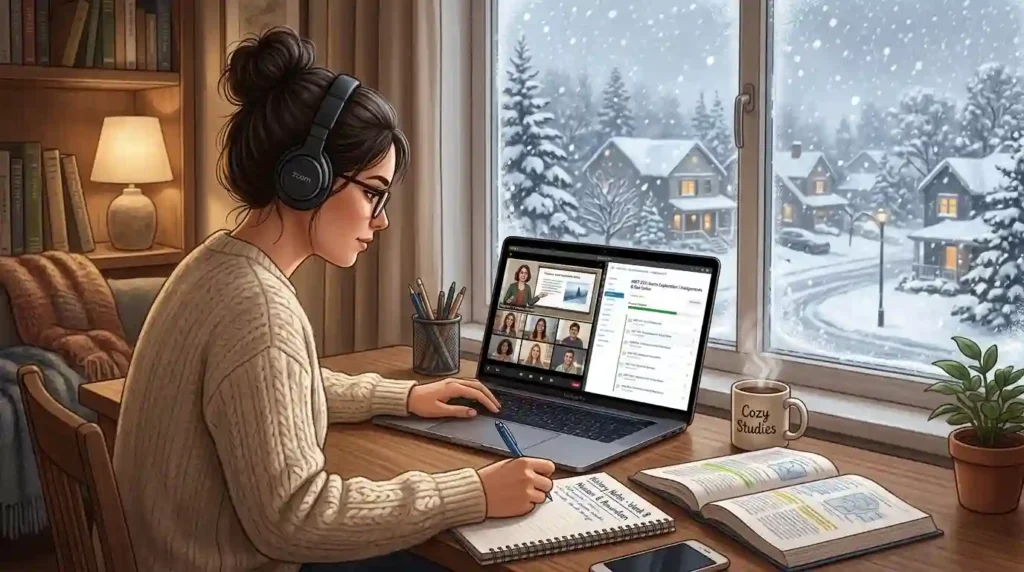
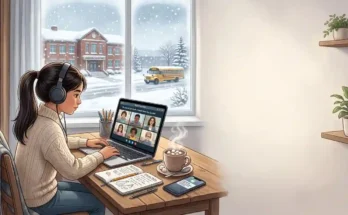
A virtual snow day may include live video lessons, recorded lectures, online assignments, discussion boards, digital worksheets, or remote office hours. In some cases, teachers may hold review sessions instead of exams. In other cases, students may complete low-stakes quizzes or submit projects online.
For a deeper explanation of digital weather-related school days, read Snow Day Calculator & Prediction What Is a “Virtual Snow Day”.
Benefits of Virtual Snow Days
Virtual snow days can keep learning moving. Students can continue reviewing for finals, ask questions, submit assignments, and receive teacher feedback. Schools may avoid extending the academic year or compressing the finals schedule.
Remote learning also gives teachers a chance to post study guides, practice questions, recorded explanations, and exam updates.
Problems With Virtual Exams
Online exams can create fairness concerns. Some students may lose power during a winter storm. Others may have weak internet, shared devices, noisy homes, or caregiving responsibilities. A student may also be unable to join a live exam because of a weather-related emergency.
For this reason, many schools use virtual snow days for review and assignments rather than high-stakes finals. If online exams are used, schools should offer backup options and flexible submission rules.
How Schools Communicate Exam Changes
Communication is one of the most important parts of snow day planning. A schedule change is only helpful if students and families understand it quickly.
Schools usually share updates through:
School Websites
The school or district website is often the official place for closure announcements, delayed openings, and revised exam schedules. Students should refresh the page if weather conditions are changing quickly.
Email and Text Alerts
Many schools send emergency alerts by email, text message, or automated phone call. These messages may include closure details, remote learning instructions, and exam updates.
Learning Management Systems
Teachers may post course-specific updates on platforms such as Google Classroom, Canvas, Schoology, Moodle, or Blackboard. Students should check each course page because one teacher may change an assignment while another keeps the original deadline.
Social Media
Schools often use social media for fast updates, but social posts should not replace official announcements. Students should confirm major exam changes through the school website, email, or learning platform.
How Students Can Prepare Before a Snow Day
The best way to handle snow day exam disruption is to prepare early. Students cannot control the weather, but they can control their study habits, materials, and communication.
Keep a Flexible Study Schedule
Students should avoid studying only one subject at a time during finals week. A better strategy is to rotate subjects daily. For example, a student might study math for 45 minutes, history for 30 minutes, science for 45 minutes, and English for 30 minutes. This keeps all subjects fresh in case the exam order changes.
Download Important Materials
Before a winter storm, students should download study guides, lecture notes, assignment instructions, review slides, and practice tests. If the power or internet goes out, offline materials can still be useful.
Charge Devices
Students should fully charge laptops, tablets, phones, and portable chargers before a storm. If online learning or virtual exams are possible, charged devices become essential.
Ask Teachers About Weather Plans
Students can ask teachers what will happen if school closes during finals week. Important questions include:
Will the exam move to the next school day?
Will the exam be online?
Will assignments still be due?
Will there be a review session after the snow day?
How should students report internet or power problems?
Watch Official Announcements
Students should avoid relying only on rumors. Group chats can spread incorrect information quickly. Official school alerts are the safest source for exam changes.
How Parents Can Support Students During Finals Week Snow Days
Parents play an important role when winter weather disrupts exams. A snow day can change transportation, study routines, sleep schedules, and stress levels.
Create a Calm Study Environment
If possible, parents can help create a quiet place for studying. Even a small kitchen table or bedroom desk can become a temporary study area. Reducing distractions helps students stay focused.
Help Track Schedule Changes
Parents can help students compare the original exam schedule with the updated one. This is especially useful for younger students or students taking multiple finals.
Encourage Rest
Some students try to study all day during a snow day. Extra review time is helpful, but rest is also important. Sleep supports memory, focus, and test performance.
Plan Transportation Early
If school reopens after a storm, families should allow extra travel time. Roads, sidewalks, and parking lots may still be difficult. Parents should check delayed openings, bus route updates, and school arrival instructions.
How Teachers Can Adjust Exams After Snow Days
Teachers also face pressure when snow days interrupt finals week. They must protect academic standards while being realistic about weather-related disruption.
Prioritize Essential Skills
If exam time is reduced, teachers can focus on the most important learning objectives. Instead of testing every detail, they can assess core skills, major concepts, and cumulative understanding.
Provide Updated Study Guidance
After a snow day, students may feel uncertain about what to review. Teachers can reduce confusion by posting a revised study guide, exam format, and priority topics.
Offer Flexible Office Hours
Virtual office hours, short Q&A sessions, or discussion boards can help students ask last-minute questions. This is especially useful if a review day was canceled.
Be Clear About Deadlines
Teachers should clearly explain whether assignment deadlines changed. If students lose power or internet, there should be a process for requesting an extension.
Administrative Challenges During Finals Week Snow Days
School administrators must balance safety, fairness, instructional time, and calendar requirements. Their decisions affect hundreds or thousands of students at once.
Seat Time and Instructional Requirements
Many states and districts require a minimum number of instructional days or hours. Snow days may need to be made up later unless virtual learning days count toward attendance requirements.
Transportation and Facilities
Before reopening, schools must confirm that buses can run safely, parking lots are cleared, sidewalks are treated, heating systems work, and buildings are staffed.
Academic Equity
Administrators must consider whether all students have a fair chance to complete exams. A decision that works for one group may not work for another. Commuters, rural students, students with disabilities, English language learners, and students without reliable internet may need extra support.
Graduation and Transcript Deadlines
For seniors, delayed finals can affect transcripts, graduation clearance, scholarship requirements, and college admissions documents. Schools may need special procedures to prioritize senior grades.
Conclusion
Snow days can be fun, but during finals week they can create serious scheduling challenges. They may delay exams, remove review days, shift makeup tests, create transportation problems, and increase stress for students and teachers. Schools must balance safety, fairness, academic requirements, and grading deadlines while communicating clearly with families.
The best approach is preparation. Students should keep flexible study plans, download materials early, follow official school updates, and ask teachers about weather policies before a storm arrives. Parents can help by creating a calm study environment and tracking revised schedules. Teachers and administrators can reduce confusion by communicating early, offering flexible options, and prioritizing student safety.
When winter weather hits during exam season, the goal is not just to reschedule tests. The real goal is to protect students while preserving fairness, learning, and academic progress.
FAQs
1. Do snow days usually cancel final exams?
Most snow days do not permanently cancel final exams. Schools usually postpone exams, move them to the next school day, use makeup days, or adjust the exam schedule. In rare cases, a final may be replaced with a project or alternate grade calculation.
2. What happens if finals week is interrupted by multiple snow days?
If several snow days occur during finals week, schools may extend the exam period, use makeup days, move exams online, shorten testing blocks, or continue exams after winter break. Colleges may publish a revised final exam schedule through the registrar.
3. Can schools hold online exams during snow days?
Yes, some schools and colleges can hold online exams during snow days, but they must consider internet access, power outages, device availability, and academic fairness. Many schools prefer using virtual snow days for review rather than high-stakes testing.
4. Do students get extra study time after a snow day?
Sometimes. If exams are delayed, students may gain extra time to study. However, if the schedule is compressed or review days are removed, students may actually have less structured preparation time.
5. How should students prepare for finals when snow is forecast?
Students should review all subjects regularly, download study materials, charge devices, check official school alerts, and ask teachers what will happen if school closes. A flexible study plan is better than preparing for only one exam at a time.
6. Can a snow day affect grades?
Yes, a snow day can affect grading timelines, assignment deadlines, makeup exams, and final grade submission. However, schools usually create policies to protect fairness and avoid penalizing students for weather-related disruptions.
7. What should parents do if exam schedules change suddenly?
Parents should check official school updates, help students organize the revised schedule, plan transportation carefully, and encourage balanced study and rest. They should avoid relying on rumors from group chats or unofficial posts.
8. Are college finals handled differently from high school finals during snow days?
Yes. Colleges often follow registrar-controlled final exam schedules, while high schools usually follow district policies. Colleges may also need to consider dorm move-out, dining services, campus shuttles, and professor grade deadlines.